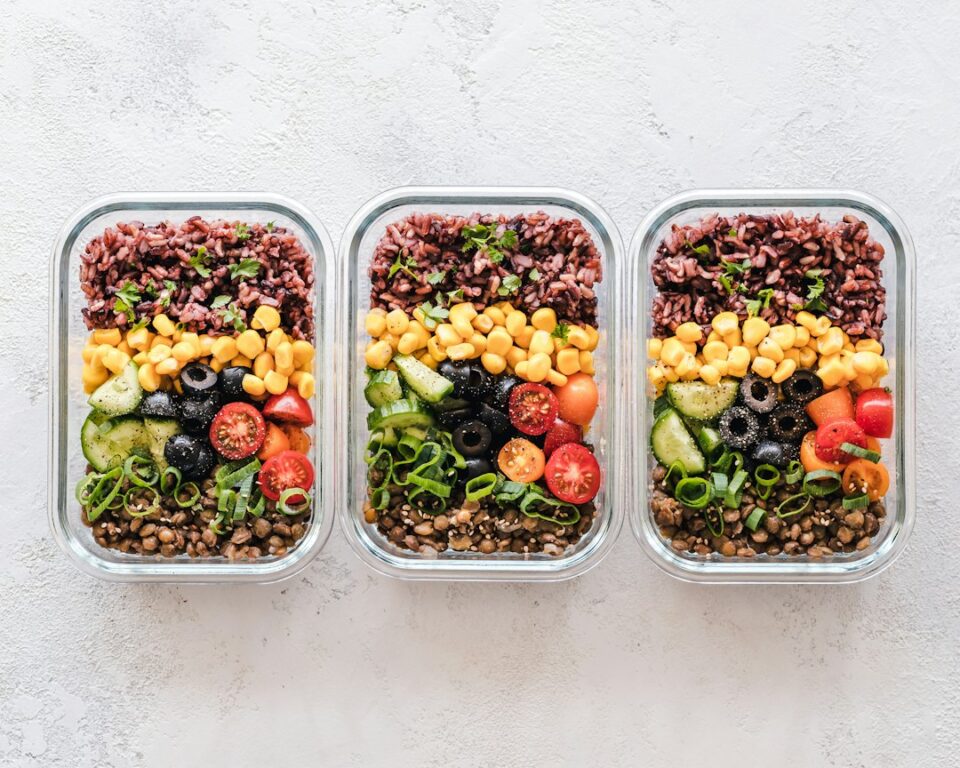
If you’ve been curious about meal prep for beginners, this guide walks you through everything you need to know to plan, shop, cook, and store food with confidence. You’ll learn a simple process that saves time, reduces stress, and helps you eat well without hovering over the stove every night.
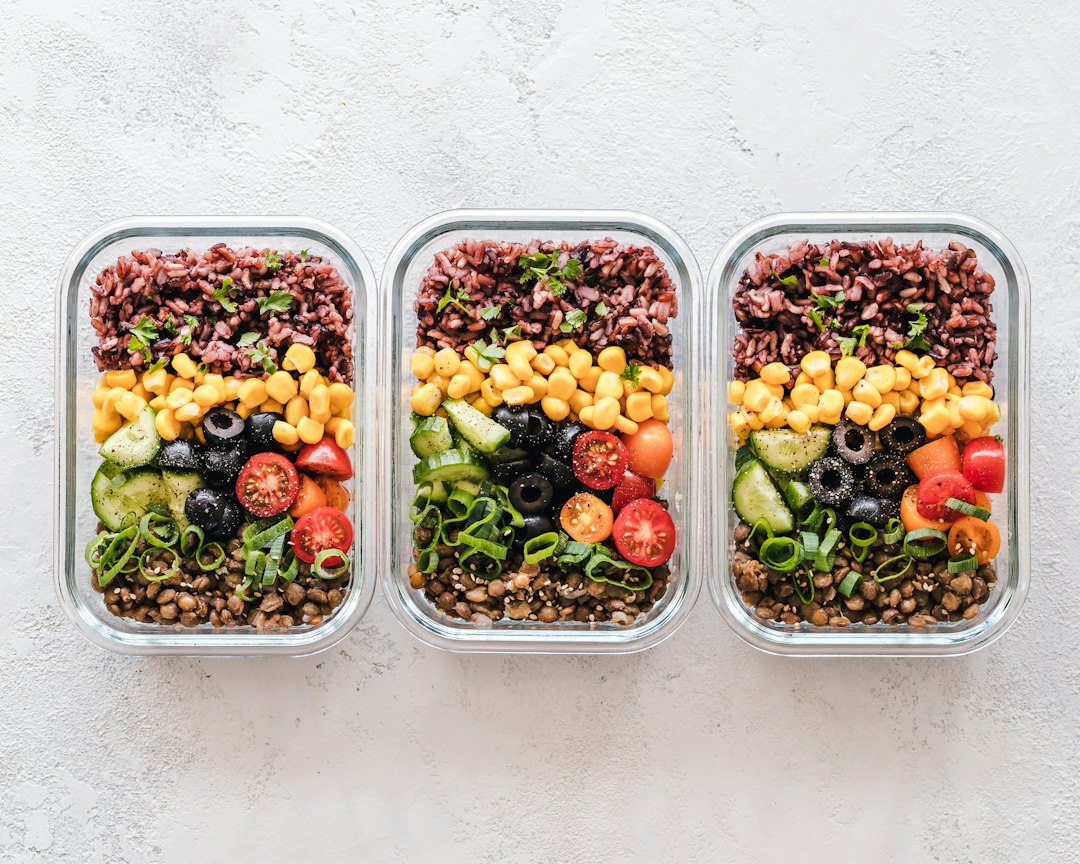
Meal prep is just a set of small, repeatable habits: planning a few meals, shopping with a list, cooking components in batches, and storing them safely so your future self has options. You don’t need fancy tools or a chef’s background. With a little structure, the payoff shows up in calmer weeknights, lower food waste, and a budget that stretches further.
If you want more kitchen how-tos after this article, visit the G Home Decor hub for ideas and inspiration at ghomedecor.com.
Why meal prep works (and what it isn’t)
Meal prep is not a rigid diet, and it’s not about eating the same bland box of food all week. Think of it as building blocks. When you prepare staple components—cooked grains, roasted vegetables, a protein, and a few sauces—you can mix and match through the week for variety. With a small investment of time on one day, you remove a dozen tiny decisions later. Fewer decisions after work often means fewer takeout orders, less scrolling while you procrastinate dinner, and more evenings that feel under control.
At a high level, meal prep supports the resources you care about:
- Time: Chopping and cooking once covers multiple meals. Cleanup shrinks, too, because you wash dishes once instead of nightly.
- Money: Planned shopping uses what you buy, and bulk staples are usually cheaper. Leftover odds and ends get a job instead of going to waste.
- Energy: When you already have cooked components, the effort to finish dinner drops close to zero. Microwaving rice and searing a few pre-seasoned chicken pieces is a 10-minute task.
Another strength of meal prep is flexibility. Maybe you prep just breakfast and a couple of lunches. Maybe you batch-cook chicken, beans, and rice on Sunday and keep dinners simple with a fresh side salad. Prep can scale up or down, and it works with omnivore, vegetarian, and gluten-free patterns alike. The key is matching your schedule and appetite to a doable plan rather than aiming for a perfect grid of identical boxes.
Finally, prep builds consistent cooking skills. Repeating knife work and simple cooking methods once a week adds up quickly. After a month, your chopping gets faster, your roasting gets more even, and your seasoning becomes intuitive. That confidence keeps the habit alive.
meal prep for beginners: step-by-step plan
This section provides a straightforward path you can follow right away. Treat it like a checklist and repeat it weekly until it feels natural.
Week 1 setup (90–120 minutes total)
- Pick 3 anchor meals: One breakfast, one lunch, one dinner. Choose simple recipes with overlapping ingredients. Example: overnight oats; a grain-and-veggie lunch bowl; and a one-pan chicken dinner.
- Write a short list: Grains (rice, quinoa, oats), vegetables (two hardy, one leafy), proteins (chicken thighs, tofu, beans), pantry flavor boosters (olive oil, spices, vinegar, soy sauce), and one sauce (yogurt-herb, salsa, or tahini).
- Shop once: Stick to your list. Add fruit, yogurt, and eggs if you’d like quick breakfasts or snacks.
- Batch-cook essentials: Cook one pot of grains, roast two trays of vegetables, and prepare a protein. Whisk one sauce.
- Cool and store: Divide into containers, label, and place in the fridge or freezer according to the storage guidance below.
From here, a weekly rhythm is easy to remember using the PREP acronym:
- P – Plan: Choose 3–5 meals or components, balancing flavors and textures.
- R – Restock: Shop your pantry first, then buy what’s missing. Keep staples on hand.
- E – Execute: Batch-cook, cool, portion, and label.
- P – Plate: Assemble quickly on weeknights using what you prepped.
Your first two-hour session: a minute-by-minute guide
- 00:00–00:10: Preheat oven to 425°F (220°C). Rinse 2 cups of rice or quinoa and start cooking on the stove or in a rice cooker. Fill a kettle; you’ll use hot water to speed up stovetop boiling.
- 00:10–00:30: Chop a mix of vegetables—broccoli, carrots, bell peppers, zucchini. Toss with oil, salt, and pepper. Spread on two sheets; place in the oven. Set timers for 15 and 25 minutes to stagger doneness.
- 00:30–00:45: Season chicken thighs, tofu, or beans. Option A: Roast protein on a third tray if your oven fits. Option B: Pan-sear or simmer stovetop while vegetables finish.
- 00:45–01:00: Whisk a sauce: yogurt + lemon + herbs; or tahini + garlic + water + lemon; or soy + honey + rice vinegar + chili flakes. Taste and adjust.
- 01:00–01:20: Pull trays, fluff grains, let everything cool slightly. Portion into containers by meal or by component.
- 01:20–01:40: Label containers with the contents and date. Stack in the fridge. Put two lunches in the front row so you grab them first. Freeze one extra portion for next week’s cushion.
After this first session, you’ll have breakfasts, a few lunches, and components for at least three dinners. On weeknights, dinner becomes more like assembly: warm a protein and grain, add roasted veg, spoon on a sauce, and finish with fresh greens or herbs. That’s a 10–15 minute meal without fuss.
Choose recipes and portions that fit your week
The biggest mistake beginners make is choosing too many new recipes at once. Start with three and make sure they share ingredients. If every dish requires a different herb or spice, shopping and cooking get complicated fast. Think in families of flavors—for example, Mediterranean (olive oil, lemon, oregano), Southwest (cumin, chili, lime), or Asian-inspired (soy, ginger, sesame). Choose one family for a week, then switch next week to keep variety.
Plan portions to match your schedule and appetite. A practical baseline:
- Breakfast: Prep 3–4 portions, leaving space for a spontaneous breakfast or brunch.
- Lunch: Prep 3–5, especially if you bring lunch to work or school.
- Dinner: Prep components, not full plates. Dinners vary more, and fresh elements (salads, quick sautéed greens) keep them interesting.
As a baseline for two people, consider cooking: 4–6 cups cooked grains, 8–10 cups roasted vegetables, and 1.5–2 pounds (680–900 g) of cooked protein. That covers roughly five lunches and several dinners when combined with salads, eggs, or pantry items like canned beans and tortillas. Adjust up or down based on your household. If you’re cooking for one, halve those numbers and freeze some portions so Tuesday still feels fresh.
Finally, schedule a “free night.” Schedules change. If you plan seven elaborate dinners, you’ll end up with unused food. Plan five dinners, prep components, and plug in the free night for leftovers, sandwiches, or a simple omelet. Flexibility keeps the habit sustainable.
How to build a balanced plate from components
Use a simple rule to assemble meals from your prepped pieces:
- Pick a base: Rice, quinoa, farro, tortillas, noodles, or potatoes.
- Add a protein: Chicken, tofu, beans, eggs, or canned fish.
- Load vegetables: At least two different colors for interest and nutrients.
- Finish with a sauce and a crunch: Yogurt-herb sauce, tahini drizzle, or soy-ginger glaze; then add toasted nuts, seeds, or crispy onions.
With this pattern, you can rotate flavors in minutes: rice + chicken + roasted broccoli + lemon-herb yogurt; tortillas + beans + roasted peppers + salsa; noodles + tofu + carrots and cabbage + soy-ginger sauce. Same structure, different expression.
Smart grocery planning and budgeting
Effective meal prep starts with a list that respects both your appetite and your budget. A good list follows your chosen flavor family and includes a few workhorse items you’ll use across meals. Here’s a simple template:
- Grains/starches: Rice, quinoa, couscous, whole-wheat pasta, potatoes, tortillas.
- Proteins: Chicken thighs, ground turkey, tofu, tempeh, eggs, beans, lentils, canned tuna.
- Vegetables: Two hardy (carrots, broccoli, cabbage) and one leafy (spinach, kale) plus an allium (onions, leeks) for flavor.
- Fruit: Apples, bananas, or seasonal fruit for quick snacks and breakfast add-ins.
- Flavor boosters: Olive oil, salt, pepper, garlic, lemon, dried herbs, soy sauce, vinegar.
- One sauce or condiment: Tahini, yogurt, salsa, pesto, or hot sauce.
Shop your pantry first. Most households have hidden reserves—half bags of rice, pasta, or beans. Design the week around what you already own to save money immediately. When you shop, buy staples in bulk when it makes sense (grains, beans) and buy vegetables and proteins to match the exact number of meals you planned. A small digital kitchen scale and a pack of sticky labels help prevent overbuying and support accurate portions.
To keep the budget friendly, use a swap mindset. If chicken is expensive this week, buy thighs instead of breasts, or pivot to tofu or beans. If bell peppers are pricey, switch to carrots and cabbage. The goal is filling the same texture and color roles with budget-friendly alternatives. Your plate still looks and tastes balanced, and your wallet stays intact.
Unit price awareness and simple math
Bring a tiny bit of math to the store. Compare unit prices on shelf tags instead of total price. If 2 pounds of rice cost less per pound than a 1-pound bag and you’ll use it within two months, the larger bag is better value. For produce, calculate cost per edible serving: a 3-pound bag of carrots may beat pre-cut sticks by a wide margin. Over a month, these small decisions add up to real savings.
Food safety and storage timing you can trust
Great meal prep respects safety. Cooling food quickly, storing it correctly, and reheating thoroughly keeps your meals enjoyable through the week. Here are practical, widely used guidelines for home kitchens:
- Cool fast: Spread cooked food on a sheet pan or shallow container for 10–20 minutes before refrigerating.
- Label: Use masking tape or a sticky note with the date and contents. You’ll know what to eat first.
- Fridge windows (typical ranges): Cooked proteins 3–4 days; cooked grains 3–4 days; roasted vegetables 3–4 days; soups and stews 3–4 days.
- Freezer windows (typical ranges): Cooked proteins 2–3 months; cooked grains 2–3 months; soups and stews 3–4 months; raw bread dough 1–2 months.
- Reheating: Reheat until steaming hot throughout. Add a splash of water to grains so they fluff instead of drying out.
Containers matter. Airtight lids extend freshness and keep odors in check. Store sauces separately when possible so textures stay lively—nobody wants soggy food by Wednesday. If you’re portioning full meals, leave a little headspace in each container to make reheating gentler and more even.
Finally, organize your fridge like a project manager. Older items forward, newer items behind. Keep ready-to-eat items and cooked foods on higher shelves, raw meats on a tray at the bottom to lower drips, and sauces in the door. The easier it is to see what’s available, the more likely you are to eat it on time.
Freezer confidence for beginners
The freezer is your ally. Cool food completely before freezing, then pack it flat in zip-top bags for quick thawing. Freeze sauces and stocks in ice-cube trays for easy single-portion flavor boosts. To thaw, move items to the fridge the night before you need them, or use the microwave’s defrost function in short bursts and finish reheating immediately.
Containers and tools that simplify the routine
You can meal prep with the pots and pans you already own, but a few tools make the process smoother and safer:
- Containers: A set of rectangular, stackable containers with leakproof lids; a few small ones for sauces; wide-mouth jars for overnight oats.
- Sheet pans: Two or three sturdy pans allow you to roast multiple items at once.
- Rice cooker or pot with lid: Reliable grains are the backbone of many meals.
- Instant-read thermometer: Helpful for proteins so you don’t overcook or undercook.
- Sharp chef’s knife and cutting board: Faster, safer chopping is worth it.
- Labels or masking tape: Dates and contents keep you organized.
Consider your storage realities, too. If your fridge is small, prep more freezer-friendly items or focus on breakfasts and lunches. If you have a chest freezer, double recipes you love and stash half. You’ll build a personal “frozen aisle” of soups, stews, chilis, and cooked grains you trust.
Set up a simple prep station
Dedicated space keeps you moving. Clear a counter, set a trash bowl for scraps, and keep a towel or paper towels within reach. Put a cutting board on a damp towel so it doesn’t slide. Group tools by task: knives and boards left, pans and oils right, salt and spice blends near the stove. Small touches like these shave minutes and reduce clutter.
Batch-cooking methods that deliver variety
Use simple, repeatable techniques so you can cook on autopilot. Here are four reliable methods and where they shine:
- Roasting: High heat concentrates flavor and delivers crisp edges. Use for vegetables (broccoli, cauliflower, carrots, squash) and proteins (chicken thighs, sausages, tofu). Keep trays from crowding to encourage browning.
- Simmering: Soups, stews, beans, and grains love steady heat. Add aromatics (onion, garlic), a spice blend, and a splash of acid (vinegar or lemon) at the end to brighten the flavor.
- Grilling or broiling: Quick, high heat adds char and smokiness. Works for marinated proteins and sturdy vegetables like peppers or zucchini.
- Pressure cooking: Great for beans, rice, steel-cut oats, and tough cuts of meat. It saves time and keeps the kitchen cooler.
A helpful strategy is cooking “one pot, two paths.” For example, simmer a big pot of tomato-based bean stew. Eat it as-is with bread one night. Another night, spoon it over rice and top with yogurt and herbs. On a third night, add stock and turn it into soup. The same base becomes three different meals with minimal extra work.
Don’t forget quick-cook add-ons. Fried eggs, flash-sautéed greens, and five-minute pan sauces (butter + lemon + capers; or olive oil + garlic + chili) add freshness and variety to prepped components. Keep a shortlist of quick add-ons on your fridge door to spark ideas and reduce decision fatigue.
Proteins three ways, vegetables three textures
Rather than make three entirely different dishes, prep one protein and use it three ways. Example: roast a tray of chicken thighs. Night one: slice over rice with roasted broccoli. Night two: chop into tacos with salsa. Night three: dice into a quick noodle soup. Apply the same idea to tofu or beans.
For vegetables, target three textures during prep: roasted (caramelized), blanched (tender-crisp), and raw (shredded or sliced). Roasted carrots bring sweetness, blanched green beans offer snap, and a quick slaw adds crunch. Mixing textures keeps repeat meals interesting.
Dietary patterns, families, and special cases
Meal prep adapts to different diets and households. Here are field-tested approaches:
- Vegetarian: Prioritize beans and lentils, tofu or tempeh, eggs, and hearty vegetables. Roast mushrooms for savory depth. Keep nuts and seeds for crunch.
- Gluten-free: Lean on rice, quinoa, potatoes, corn tortillas, and gluten-free pasta. Read labels on sauces and condiments to ensure they fit your needs.
- High-protein: Increase eggs, Greek-style yogurt, lean meats, tofu, and legumes. Double your protein portion and add a second light sauce for variety.
- Cooking for kids: Prep components with familiar flavors (plain rice, mild-seasoned proteins, sweet roasted carrots) and offer the sauce on the side. Children often prefer assembling their own plates.
- Cooking for one: Prep smaller batches and freeze single portions. Consider prepping breakfasts and lunches only, then assemble simple dinners from components.
When taste preferences vary, use the “neutral base + optional topper” model. Keep the base mild (plain grain, lightly seasoned protein, roasted veg). Offer a few quick toppers—pesto, salsa, chili oil, pickled onions—so every plate can tilt in a different direction without extra cooking.
Allergy-aware planning
If you’re avoiding certain foods, batch-cook separate sauces and store them clearly labeled. For example, keep a peanut-free sauce alongside a tahini sauce; store soy-free options like coconut aminos near your soy sauce. Clean utensils between sauces. This small system keeps prep inclusive without making two separate dinners.
Flavor builders: sauces, spice blends, and finishing touches
Seasoning turns plain components into craveable meals. Stock a few spice blends and quick sauces, and you’ll rarely feel stuck eating the same thing twice.
Quick spice blends (mix and store in a small jar):
- Everyday mix: 2 parts garlic powder, 2 parts paprika, 1 part onion powder, 1 part dried oregano, 1 part black pepper, 1 part salt.
- Southwest: 2 parts chili powder, 1 part cumin, 1 part smoked paprika, 1 part oregano, 1 part salt.
- Mediterranean: 2 parts dried oregano, 1 part dried thyme, 1 part garlic powder, 1 part lemon zest (dried if possible), 1 part salt.
Five-minute sauces (whisk and adjust to taste):
- Lemon-herb yogurt: Yogurt, lemon juice, chopped herbs, salt, pepper, optional garlic.
- Tahini-lemon: Tahini, lemon, warm water, pinch of salt, optional maple syrup for balance.
- Soy-ginger: Soy sauce, grated ginger, a touch of honey, rice vinegar, chili flakes.
- Herb oil: Olive oil blended with parsley, basil, garlic, and a squeeze of lemon.
Finishing touches make a big difference. A squeeze of citrus, a drizzle of olive oil, chopped fresh herbs, toasted nuts, or pickled onions add pop and texture. Keep these on hand and sprinkle them at the last minute. They turn “good enough” into “I’d make this again.”
Flavor themes for a full week
Pick one theme per week to keep shopping simple and meals cohesive:
- Mediterranean week: Oregano blend, lemon-herb yogurt, roasted eggplant, chickpeas, and couscous.
- Southwest week: Chili-cumin blend, salsa, roasted peppers and onions, black beans, and rice.
- Asian-inspired week: Soy-ginger sauce, sesame seeds, shredded cabbage, carrots, tofu, and noodles.
Next week, switch themes. The overlapping components remain, but the flavor changes feel fresh.
Time management and weekly rhythm
Consistency beats intensity. A reliable two-hour prep window is more sustainable than a sprawling half-day in the kitchen. Choose a time that actually fits: Sunday afternoon, Saturday morning, or even two weeknights (one for chopping, one for cooking). Create a playlist or queue a podcast to keep the pace upbeat and pleasant.
Use simple schedules:
- Two-hour power session: Preheat, boil grains, roast vegetables, cook a protein, make a sauce, portion, label.
- Split session: Weeknight 1: chop and marinate; Weeknight 2: cook and portion.
- Micro-prep: Ten minutes daily—wash greens, chop one veg, cook a pot of rice while you tidy.
Build small reset habits. Every time you finish a container, rinse it right away. Every Friday, scan the fridge and freeze what you won’t eat in time. Keep a whiteboard or note on the fridge that lists what’s prepped and what’s left. The fewer surprises you encounter at 6 p.m., the more this habit will stick.
Cleaning and maintenance that won’t slow you down
Keep the sink available by filling a basin with hot soapy water before you start. Drop in tools as you go. Wipe counters between tasks to minimize cross-flavors. When the oven is cooling, slide in a tray lined with a wet towel to soften baked-on bits; wipe clean after dinner. Small habits like these keep prep sessions from becoming chores.
Troubleshooting and quick answers
Even with a clear plan, small friction points pop up. Here’s how to handle the most common ones:
- “I’m bored by Wednesday.” Rotate sauces and finishing touches. Prep two spice blends and two sauces each week. Add a fresh element—sliced tomatoes, quick pickles, a handful of herbs—at plating.
- “Everything tastes the same.” Separate sauces until serving, and season components lightly when cooking. Build flavor at the end rather than all at once.
- “My vegetables get soggy.” Roast on separate trays by vegetable type and don’t crowd. Reheat briefly in a skillet or air fryer to restore texture.
- “I overcooked the protein.” Use an instant-read thermometer and pull meat a few degrees before your target, letting carryover heat finish it. For tofu, press it for 15 minutes before roasting for better texture.
- “I never have time Sunday.” Try a split schedule (chop one night, cook another) or micro-prep daily. Prep only breakfasts and lunches if dinners stay unpredictable.
- “We’re a family of picky eaters.” Stick to neutral bases and offer toppers. Keep two sauces—one mild, one bold—so everyone wins.
- “Food spoils before we eat it.” Prep fewer portions, freeze more, and label dates. Store leafy greens dry with a paper towel and keep sauces separate.
- “I don’t like reheated food.” Prep components and cook them fresh in minutes: par-cooked potatoes crisped in a skillet, marinated tofu seared quickly, roasted veg reheated under the broiler for a slight char.
Keep a tiny “win list.” When a combo hits, jot it down: grain, protein, veg, sauce, garnish. In a few weeks you’ll have a personal playbook that beats any recipe app because it’s tuned to your taste.
A simple starter week (menu and timeline)
Use this sample to get rolling, then swap to match your preferences.
Menu
- Breakfast: Overnight oats with fruit and nuts; or egg muffins with spinach and cheese.
- Lunch: Grain bowl with roasted broccoli and carrots, chickpeas or chicken, lemon-herb yogurt.
- Dinner components: Roasted zucchini and peppers; cooked brown rice; soy-ginger tofu or chicken; quick salad.
Timeline
- Preheat oven; start rice.
- Chop vegetables; roast in two rounds.
- Cook protein; whisk sauce.
- Cool, portion, label, store.
With this foundation, dinner is a 10-minute assembly: warm rice and protein, add roasted veg, top with sauce, toss a salad, and sit down. The next night, fold leftovers into tacos or stir-fry with a different sauce. Same base, new expression.
Build a four-week rotation and seasonal swaps
Rotate themes to maintain interest. For four weeks, try: Week 1 Mediterranean (lemon, herbs, chickpeas); Week 2 Southwest (chili, lime, black beans); Week 3 Asian-inspired (ginger, soy, sesame); Week 4 Cozy bowls (roasted root veg, lentils, warm spices). In spring, lean on asparagus and peas. In summer, grill zucchini and tomatoes. In fall, roast squash and brassicas. In winter, simmer beans and hearty greens. Seasonal swaps keep costs down and flavor up without rewriting your entire plan.
Reheating, thawing, and texture rescue
Texture is the main reason reheated meals disappoint. Use the right method for the component. Grains like rice reheat best with a teaspoon of water, covered, in the microwave. Roasted vegetables perk up under a broiler or in a hot skillet. Proteins reheat more gently in a covered pan with a splash of stock or water. Try mixing freshly chopped herbs or crunchy toppings into reheated components to restore brightness. For frozen items, thaw in the fridge when possible; if you need speed, use the microwave in short bursts and finish cooking immediately on the stovetop.
Zero-waste habits and pantry stewardship
Use trimmings wisely. Freeze onion skins, carrot peels, and herb stems in a bag; simmer with water for a quick stock later. Turn extra roasted vegetables into a frittata, blend softening herbs into a pesto, and make croutons from day-old bread. Keep a “use soon” bin in the fridge door for small odds and ends and aim to cook them within 48 hours. These habits reduce waste and add creative variety to your week.
Meal prep is less about perfection and more about continuity. Keep it small, keep it repeatable, and let the habit grow. Once you trust your system, you’ll wonder how you ever cooked any other way.