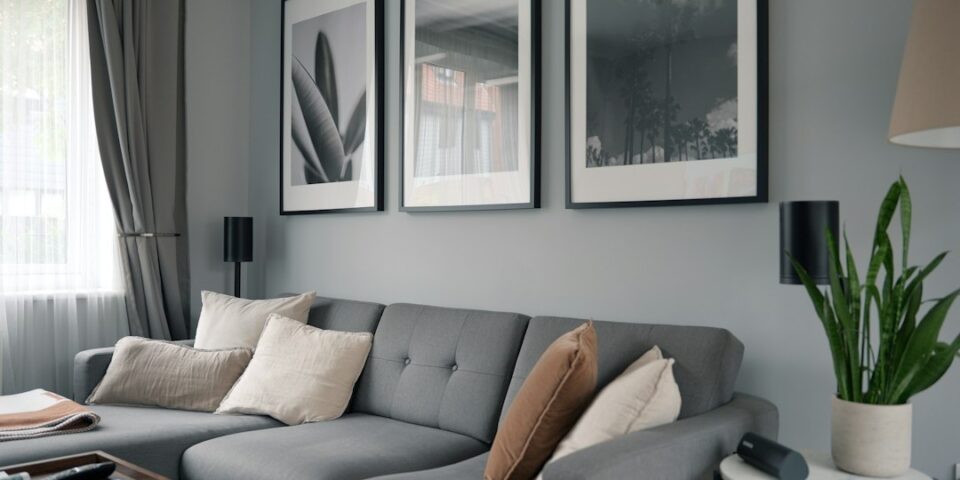
Choosing the Right Sofa for Your Living Room is one of those decisions that touches comfort, style, durability, and the way you gather with friends and family. The best choice blends great proportions with the right materials and a look that plays well with everything you already own. This detailed guide breaks the process into clear steps so you can shop with confidence, compare models intelligently, and ultimately welcome home a sofa you’ll love for years—without second-guessing the purchase every time you sit down.
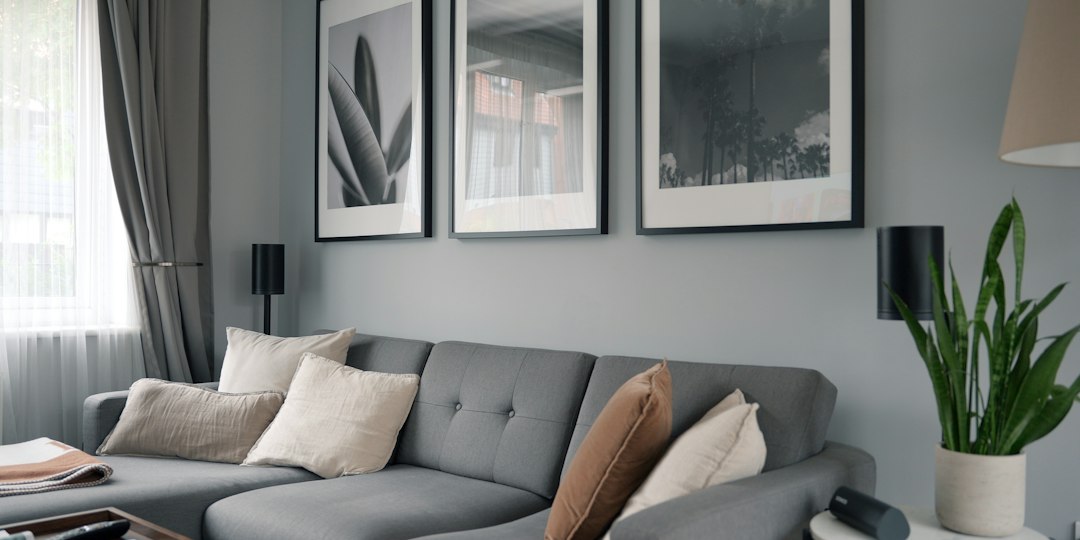
Measure the room like a pro: space, scale, and flow
Before you fall in love with a silhouette or a fabric, get the math right. Measure the length and width of the room, the heights of windowsills, radiators, baseboards, and the distance between walls that will frame the main seating area. Sketch a simple floor plan, then mark doors and walkways. Most rooms need pathways of at least 30 to 36 inches where people must pass, and 18 inches between the front of the sofa and a coffee table for comfortable legroom. If your room is small, err on the side of sleeker arms and a tight back; big rolled arms can eat up precious inches without adding useful seating.
Scale determines whether a sofa looks intentionally placed or jammed into the room. A common rule of thumb is to keep the sofa length at about two-thirds the length of the wall behind it. If your wall is 12 feet long, a 7.5–8-foot sofa often looks balanced; if your wall is shorter, consider a 72–84 inch sofa, a loveseat, or a compact sectional with a chaise. Think of height too: a low, modern sofa may look lost under high ceilings unless it’s anchored with tall shelving or an oversized piece of art; conversely, a very high-back traditional sofa can overwhelm low ceilings.
Remember sightlines and focal points. If the television or fireplace is your focus, orient seating to that axis. If a window view is the star, position the sofa so that seated guests can look toward it. In open-plan spaces, use the sofa’s back as a gentle room divider, then add a console table and lamps to finish the zone. The aim is to create an easy, natural flow that invites people to sit without feeling squeezed.
Finally, map the vertical clearances. Arm height affects side-table choices, and back height changes how art looks above the sofa. Leave 6–10 inches between the top of the back cushion and the bottom of any art or wall shelves so the composition breathes.
Choosing the Right Sofa for Your Living Room: quick checklist
Use this shortlist while you shop or compare online options.
- Room size and pathways measured; sofa length around two-thirds of the anchor wall
- Seat depth comfortable for your height and habits (more on that below)
- Durable frame and suspension (kiln-dried hardwood, sinuous or webbing quality)
- Cushion fill that matches your comfort preference and maintenance tolerance
- Upholstery fabric that suits pets, kids, light exposure, and cleaning routine
- Color and style that work with existing rugs, tables, and lighting
- Delivery path checked—elevators, stairs, doorways measured
- Warranty, return policy, and lead time noted
Keep this list on your phone and refer to it whenever a sales pitch or a beautiful photo tempts you to skip practicalities.
Sofa shapes and configurations: match form to how you live
The right silhouette serves your space and your routines. Straight sofas (often 72–96 inches long) are the most versatile and easiest to place. Add a single chaise if you love to stretch out but still want compact footprint control. A chaise at 60–65 inches in depth usually works in small rooms; make sure it doesn’t block a doorway or the path to a balcony or patio.
Sectionals offer sprawling comfort but demand careful planning. L-shaped sectionals define a corner seating zone, excellent for family rooms where multiple people watch a movie or play games. U-shaped sectionals maximize face-to-face conversation but need more space and can dominate a modest room. If you opt for a sectional, choose one with components that can be reversed or reconfigured. A reversible chaise gives you flexibility when you move or change the room layout.
Curved sofas are wonderful for conversation and soften rectangular rooms. They do best away from the wall, with a round or oval coffee table that echoes the curve. In formal living rooms where conversation is the goal, a pair of loveseats or a settee opposite a straight sofa creates balance. Apartment sofas (sometimes called “apartment size” or “condo size”) offer slim arms, tight backs, and lengths under 80 inches; these can be ideal if your room is cozy or your entryway is tight.
Don’t overlook modular sofas. These let you build the seating you want block by block: add an armless center to lengthen the sofa, clip on a corner to convert to an L, or separate modules for parties. Keep in mind that modular styles often have visible separations between pieces—especially with firmer cushions—so check how the modules connect and whether the clips are sturdy, hidden, and easy to use.
Finally, consider arm style. Track arms (straight, squared) are contemporary and space-efficient; English roll arms are timeless and comfortable; pillow-top arms feel plush but can date quickly. The arm shape influences the reading of the entire room: crisp arms support modern minimalism, while rounded arms cozy up traditional settings.
Inside matters: frames, joints, and suspension
A sofa’s longevity is hidden beneath the fabric. Look for a frame made from kiln-dried hardwoods like maple, oak, or birch. Kiln drying reduces moisture, minimizing warping and splitting over time. Softwoods and engineered woods can be used responsibly too, but ask how the manufacturer reinforces stress points. Dowel joints, corner blocks (glued and screwed), and metal brackets add strength. Staples alone are not a reassuring sign at primary stress points.
Suspension—the system that supports the cushions—does as much for comfort as the fill itself. Common options include sinuous (S) springs, webbing, and eight-way hand-tied coils. Quality sinuous spring systems provide reliable support when properly spaced and clipped; premium webbing systems (especially elastomeric webbing) produce a comfortable, resilient seat in many modern frames. Eight-way hand-tied is often marketed as a hallmark of luxury; it can be excellent, but it is not the only path to great comfort. Assess how the seat feels and ask if suspension repairs are feasible should a component fail years down the line.
Ask about center rails and seat support under wider spans. A long single-cushion (bench) sofa should have reinforcement to prevent sagging. If the manufacturer offers an extended frame warranty, that’s a helpful signal that they expect the sofa to hold up under daily use.
Seat depth, height, and cushion profiles: comfort you can feel
The most comfortable sofa for you depends on how you sit. Seat depth around 20–22 inches suits upright sitting and smaller frames; 23–25 inches supports lounging and taller bodies. If you plan to nap on the sofa, try depths at the higher end with a chaise or modular extension. Seat height typically ranges from 17 to 19 inches; higher seats are easier to stand up from and pair well with firmer cushions, while lower seats feel loungey but can make coffee tables feel tall by comparison.
Back height matters too. Tight backs (no loose back cushions) look tailored and support a more upright feel. Loose back pillows are cozy and let you rearrange for personalized support, but they may require occasional fluffing. A bench seat (one long cushion) looks modern and makes it comfortable for someone to lie down, but it shows wrinkles more readily. Two or three seat cushions create natural personal zones and resist visible creases in the center.
When you test in a showroom, sit the way you do at home. Pull your feet up, lean against the arm, rest a laptop on your knees if that’s common for you. Pay attention to how your lower back feels after a few minutes. Comfort is personal, and the perfect seat for a tall person might feel too deep for a petite sitter.
What’s inside the cushions: foam, fiber, and down blends
Cushion fillings determine both first impressions and long-term feel. High-quality foam cores come in different densities; higher density generally retains shape longer. A typical comfortable range is 1.8 to 2.5 lb/ft³ for seat foam, with higher numbers indicating better resilience. Many sofas wrap foam in fiber batting for a softer first sit; some add a top layer of memory foam or latex for pressure relief and consistency.
Down or feather blends offer a luxurious, sink-in feel, especially for back cushions. They do require regular fluffing and rotation to avoid clumping and compression. If you love the plushness but want less maintenance, look for a seat with a resilient foam core wrapped in a down or feather blend—the core holds shape while the wrap provides that relaxed, inviting surface. Polyester fiber-only cushions cost less and can be comfortable, but they may compress more quickly and benefit from occasional reconditioning.
If allergies or sensitivities are a concern, consider down-alternative fills. These mimic the feel of down while simplifying care. Regardless of fill type, removable, zippered cushion covers add practical value for spot cleaning and future reupholstery.
Fabric, leather, and performance textiles: durability meets design
Upholstery is where function, feel, and visual impact come together. Start with lifestyle: pets, kids, snacks on the sofa, and sun exposure all influence the best material. Performance fabrics—often solution-dyed polyesters, acrylics, or blends—resist stains and fading and clean up with simple care. These can feel surprisingly soft and come in a huge range of textures from linen-like weaves to velvety piles.
Natural fibers have unmatched character. Linen brings a dry, elegant hand and relaxed wrinkles that signal ease; cotton twills are casual and approachable; wool blends can be durable and naturally soil resistant. If you prefer leather, note that full-grain and top-grain leathers develop a beautiful patina and tend to last, while corrected-grain or bonded leathers may look consistent at first but can show wear more quickly. Expect leather to stretch slightly; tight tailoring helps maintain a clean look over time.
Ask about abrasion ratings and cleaning codes. A fabric listed at 30,000 double rubs (Wyzenbeek) or higher indicates solid durability for residential use, though ratings aren’t the whole story—tight weaves and yarn quality also matter. Cleaning codes help you understand which solutions are safe. For example, a “W” code suggests water-based cleaners are acceptable, while “S” indicates solvent-based cleaners only. If you love light colors, choose a fabric that responds well to gentle spot cleaning.
Texture and pattern influence perceived cleanliness. Slubbed weaves, tweeds, and small-scale patterns disguise everyday lint and the occasional snack crumb better than flat, solid, dark fabrics, which can show dust. For sunny rooms, solution-dyed textiles resist fading better than many natural fibers; if your sofa will live in a bright bay window, a UV-resistant fabric can keep colors truer longer.
Style, color, and the language of the room
Think of your sofa as the anchor sentence of a paragraph; every other piece in the room reads in relation to it. If your room features bold rugs and art, a neutral sofa creates breathing room and longevity. Greige, flax, oatmeal, mushroom, charcoal, and rich camel tones are versatile choices. If your palette skews cool (blues, greens, grays), look for cool neutrals with blue undertones; if your palette is warm (terracotta, cream, walnut), warm neutrals will harmonize.
A color-forward sofa can be magical when it suits the architecture and your personality. Deep teal, olive, rust, and dusty rose can feel timeless when repeated elsewhere: a stripe in a pillow, a ceramic vase on the mantle, a line in the rug. For small spaces, lighter fabrics make a room feel larger; however, don’t discount a dark, tight-weave fabric in compact rooms—it can visually recede, letting your wood tones and metals glow.
On style, decide if you want the sofa to set the tone or follow it. Clean-lined, bench-seat sofas suit modern and Scandinavian rooms; tufting and turned legs lean traditional; slipcovered silhouettes bring coastal ease and farmhouse charm. Mix confidently but intentionally: a crisp sofa under a vintage chandelier reads curated; a slipcover near streamlined metal lamps balances softness with clarity.
Budget, value, and where to shop
Price reflects materials, labor, scale, and brand overhead. Set a comfortable range by considering expected lifespan and daily use. A sofa that costs more upfront but holds its shape and looks for ten years may be better value than a bargain that needs replacing after two. Spend strategically: prioritize frame construction and cushion quality, then choose a fabric that meets your lifestyle without blowing the budget. For example, a durable performance fabric on a well-built frame often outperforms a fragile natural fiber on a cut-rate frame.
Showrooms let you sit-test, see tailoring, and examine stitching. Online retailers offer greater variety and better inventory visibility. If ordering online, read reviews that mention seat feel after months of use, true color under daylight, and customer service responsiveness. Many brands will send fabric swatches; place them on your current sofa, rug, and beside your flooring to see how they read in your light at different times of day.
For more home styling ideas and product inspiration, explore the resources at ghomedecor.com. Use inspiration images to refine your taste, but let measurements and materials specify the final pick.
Delivery path, access, and assembly planning
Even the perfect sofa won’t spark joy if it can’t reach the living room. Measure your building’s elevators, stairwells, and doorways. Typical residential doorways provide about 32–36 inches of clear opening; check how the sofa’s height and depth will pivot through that space. If your entry has a tight turn, consider a sofa with removable legs or a split-back design. Many sectionals ship in separate boxes that reduce delivery challenges.
Ask the retailer about white-glove delivery, which includes in-home placement and packaging removal. If assembly is required, verify the tools and time needed. Lay down a clean rug or moving blanket in the assembly area to protect both the floor and the new upholstery. Keep a basic kit handy: tape measure, Allen keys, a level for feet adjustments, and felt pads to protect floors once the sofa is in place.
Care, cleaning, and longevity: build a sofa care routine
Good sofas age gracefully with simple, consistent care. Rotate and flip loose seat and back cushions every few weeks to distribute wear. If your cushions are not reversible, rotate their positions. Vacuum seams and crevices monthly with a soft brush attachment to remove dust and grit that abrade fibers. Address spills promptly: blot (don’t rub) with a clean, white cloth, then follow the fabric’s cleaning code. Keep a small upholstery kit nearby with microfiber cloths, a mild water-based cleaner (for W-coded fabrics), and a solvent cleaner (for S-coded fabrics) if appropriate for your upholstery.
Sunlight is a quiet enemy of color. Draw sheer curtains or use UV-filtering window films in bright rooms; rotate the sofa occasionally so one arm isn’t always on the sunny side. For leather, condition as recommended by the tannery or retailer to keep the surface supple. For slipcovers, launder on gentle cycles when needed and line-dry to preserve shape. If something looks beyond your tools, call a professional upholstery cleaner; a periodic professional refresh can help extend the life and look of your investment.
Common shopping mistakes—and how to avoid them
One frequent misstep is buying a sofa that’s too large or too small for the room. Avoid this by taping the footprint on the floor before you buy; include arm thickness and any chaise depth. Another mistake is choosing ultra-plush cushions without considering maintenance; if you dislike fluffing, opt for resilient foam cores with a soft wrap instead of full feather blends. A third issue is ignoring how the sofa will age in the light you have—remember that dark velvets can show lint and that bright, raw sunlight can lighten certain fibers.
People also underestimate delivery challenges. Measure every doorway and hallway, and if the path is tight, prioritize sofas with removable feet or modular parts. Finally, don’t let a sale override your checklist. A discount is only a value if the piece fits your space and standards. Your living room deserves a sofa chosen for the way you live, not just the price.
Three real-world scenarios and what works well
Small apartment living room. You want maximum seating in minimal space, plus a clean sightline. Choose a 72–80 inch apartment sofa with slim track arms and a tight back to save depth. Keep the seat depth around 21–22 inches so the sofa doesn’t dominate the floor plan. Pair with a round coffee table to ease movement. If you love to lounge, a reversible chaise module that’s 60–64 inches deep can tuck against a wall without crowding the walkway. Choose a light, linen-look performance fabric that reflects light and resists stains.
Busy family room. Durability and easy care win. A modular or L-shaped sectional with sinuous spring suspension and medium-firm foam cores wrapped in fiber or down-alternative stands up to daily use. Opt for a textured, mid-tone performance fabric in a tweed or heathered weave that disguises crumbs and pet hair. Keep pathways of 36 inches around the seating group. Add washable throw blankets and zippered, machine-washable pillow covers; your future self will be grateful.
Formal entertaining space. Conversation and elegance are the goals. A curved sofa or a pair of loveseats facing a straight sofa fosters eye contact and balance. Consider a velvet or wool-blend for richness (mind the cleaning code and sun exposure). Tailored cushions, turned legs, and nailhead details can underline the dressy mood. Keep a tight color story and repeat metals and woods across lighting, tables, and accessories so the room feels composed.
Large open plan. Use the sofa to define zones. A long straight sofa backed by a console table marks the living area; add club chairs at an angle to complete the conversational square. If you need flexibility, modular units that can move during parties or seasonal rearrangements are helpful. Anchor the arrangement with a rug large enough that the front feet of the sofa and chairs rest on it—this visually ties the group together.
Sustainability and materials that age well
Thoughtful materials matter for both longevity and footprint. Kiln-dried hardwood frames from responsibly managed sources, water-based finishes, and low-VOC adhesives are practical ways manufacturers reduce impact. For upholstery, look for solution-dyed fibers (which typically require less water and energy in dyeing), or durable natural fibers that hold up with routine care. Removable slipcovers can extend the life of a sofa by allowing refreshes years down the line. Long-lived pieces that can be repaired or reupholstered reduce waste more than fast turnover furniture.
Ask brands whether they service frames or suspension. The ability to replace a webbing panel, swap out a cushion core, or repair a seam turns a single purchase into a long-term partner in your home. Durability is sustainable when it means avoiding frequent replacements.
Decision workflow: from shortlist to purchase
By now you may have a shortlist. Confirm measurements, then vet the inside. Ask the retailer what the frame is made from, how the joints are reinforced, and which suspension the model uses. Confirm cushion construction (density, layers, wrap) and whether you can choose the firmness. Order fabric or leather swatches and check them under daylight and evening light for a few days; hold them against your rug and wood tones.
Test seat depth and height in person if possible. If buying online, choose sellers who describe seat feel (soft, medium, firm) and who show the sofa in real homes. Review return policies, white-glove delivery options, and lead times. Keep your quick checklist in hand and make the final call that best balances comfort, durability, style, and budget for your household. That’s the moment when a picture in your head becomes the most inviting seat in your home.
Printable mini-checklist
- Wall length: _____ in; target sofa length (about two-thirds wall): _____ in
- Pathways 30–36 in clear; coffee-table gap 18 in
- Seat depth: ____ in; seat height: ____ in; back type: tight / loose
- Frame: kiln-dried hardwood; reinforced joints
- Suspension: sinuous / webbing / coils; support across wide spans
- Cushions: density _____; foam core with wrap / down-blend / poly
- Upholstery: performance / natural fiber / leather; cleaning code: W / S / WS
- Color + style align with rug, tables, lighting
- Delivery path measured; legs removable? modular boxes?
- Warranty details and return policy recorded
Use these prompts to keep the process focused on how you live and what will make your living room work better the moment the delivery team carries that sofa through the door.