
This guide uses positive discipline at home as the starting point for the practical advice below. Positive discipline at home is a long-term family approach that blends warmth and structure so children learn skills, build self-control, and feel connected. It is practical, relationship-centered, and aligned with how kids actually grow: through modeling, repetition, and everyday choices. This guide offers clear steps, examples by age, and realistic ways to keep momentum when life gets busy.
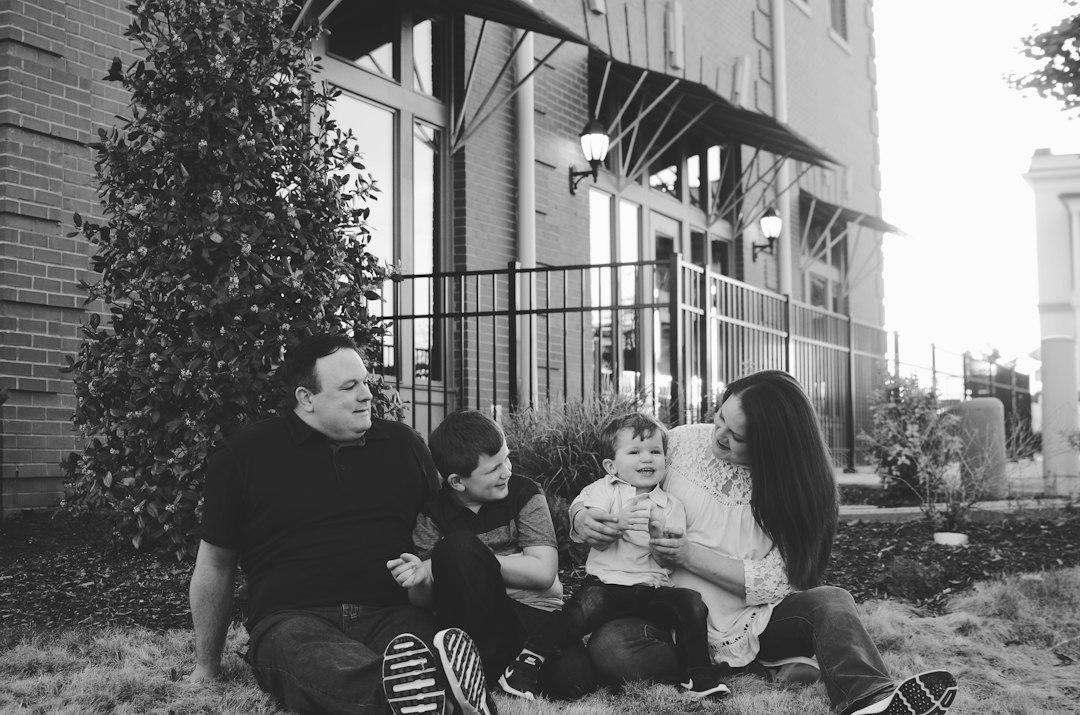
positive discipline at home: Positive discipline at home: what it is and what it is not
Positive discipline is a mindset and a toolkit. It emphasizes respect for every person in the household, clear limits, and coaching skills that children can use for life. It contrasts with power-over methods that rely mostly on lecturing or punishment, and it is different from permissiveness that avoids boundaries. Instead, it aims for balance: firm without harshness, kind without giving up on standards. In practice, that balance shows up as family agreements, predictable routines, and language that teaches rather than shames.
What positive discipline is not: it is not a quick fix after one conversation, it is not letting children decide everything, and it is not about perfect parents or perfect kids. What it is: a daily pattern of choices in which adults provide clarity, connection, and consistent follow-through. These choices form the scaffolding that helps kids learn self-control and social skills without fear. Over time, they learn that home is a place where people listen, set fair limits, and work through problems together.
Many families discover that once they adopt this approach, friction points become teachable moments. When a child resists a limit, the goal shifts: rather than “winning” the moment, adults are modeling how to pause, describe the problem, and invite cooperation. This does not remove frustration; it transforms it into practice reps for skills like perspective-taking, planning next steps, and repairing hurt feelings. Think of positive discipline as a family language you build together—one that makes home calmer and gradually strengthens trust.
The core principles: respect, connection, and boundaries
Three pillars keep positive discipline steady across ages and situations: respect for the person, connection in the relationship, and boundaries in the environment. Respect means we speak to children as people with thoughts, emotions, and dignity. We avoid labels and sarcasm, and we focus on observable behavior. Connection means we stay engaged—eye contact, body language, and curiosity—to show the child “we’re in this together.” Boundaries mean the home has clear expectations and consistent follow-through, so everyone knows what happens next.
Here are practical ways to put those pillars into daily life:
- Respect the person: describe behavior without judging character. “You threw the blocks and shouted. Let’s figure out what was hard there.”
- Connect before you direct: take a breath, get close at their level, and use a calm tone. “I’m here. Tell me what happened.”
- Boundary clarity: keep expectations visible and simple. “We put toys away before dinner. If toys aren’t away, dinner waits.”
When respect, connection, and boundaries work together, children feel safe enough to practice self-control. Adults feel more confident because the plan is visible and consistent. Over time, these patterns reduce power struggles and help kids build responsibility, empathy, and problem-solving skills that travel with them outside the front door.
Setting up the environment: family agreements and routines
Positive discipline lives in the environment. Family agreements are short, clear statements of how your household operates, created together and posted where everyone can see them. Routines translate those agreements into consistent sequences that reduce decision fatigue and lower friction. Think of agreements as the “why” and routines as the “how.”
To create agreements, gather everyone who can participate and ask two questions: “What helps our home feel respectful?” and “What helps our days run smoothly?” Keep the list to five or fewer items, phrased as positives. For example: “We speak to each other respectfully,” “We clean up after ourselves,” “We pause and breathe when things feel tough,” “We follow our daily routines.” Write them in simple language your youngest reader can understand.
Routines cover recurring parts of the day: morning, homework, chores, screen use, bedtime, and weekend transitions. Use visual aids for younger kids: simple icons for each step (brush teeth, get dressed, pack bag) taped near the area where the routine happens. For older children, use a checklist that they can edit with you once a week. The goal is not perfect compliance; the goal is predictability that supports executive function. Children learn to plan, sequence, and complete tasks with fewer reminders because the routine does the reminding.
Try a routine tune-up each Sunday: ask what went well, what felt tough, and one tweak to test this week. That rhythm keeps routines alive and tailored to your family’s real data. It also shows children that systems can improve, which builds a sense of agency and flexibility. If a routine is sliding off track, tighten the environment rather than emotions: shorten steps, move reminders closer to where action happens, and remove extra choices during high-friction times.
Everyday coaching: language that guides, not shames
Language is the daily vehicle of positive discipline. The words we choose either invite learning or ignite self-protection. Coaching language describes the situation, names the skill being practiced, and offers a next step. It stays focused on behaviors rather than identity and leans on curiosity rather than accusation.
Swap these common phrases to keep guidance clean and constructive:
- Instead of “Why are you always like this?” try “It looks like this part was hard. What got in your way?”
- Instead of “Stop making a mess!” try “Blocks belong on the mat. Let’s put them back together, then we can build again.”
- Instead of “Be nice!” try “Use a calm voice. Say what you want without name-calling.”
Coach concrete micro-skills: pausing, breathing, noticing body signals, naming the problem, making a plan, asking for help, and repairing harm. Adults model these aloud: “I’m going to pause and take two slow breaths before we keep talking,” or “Let’s write down the plan so we both remember.” The message is: skills are learnable and everyone is practicing, including grown-ups.
When emotions are high, keep language short and warm. Simple phrases help: “I’m here,” “Let’s breathe,” “We can fix this,” and “Next step is…” If a child feels stuck, offer two limited choices that both uphold the boundary: “Would you like to put toys away now or in five minutes? Either way, dinner waits for toys to be away.” Choices increase cooperation because they restore a sense of control within the limit.
Emotion skills: helping children name and manage feelings
Emotion coaching sits at the heart of positive discipline because feelings drive behavior. Children who can notice and name emotions gain a vital pause between impulse and action. That pause creates room for better choices. Teaching emotion skills is simple and repetitive: label feelings in real time, model regulation, and build small practices that fit your day.
Start with a feelings vocabulary: happy, sad, mad, worried, excited, frustrated, proud, disappointed, curious, tired. Post a “feelings chart” at kid height. Use weather metaphors if they help: “stormy” for intense anger, “cloudy” for sadness, “sunny” for calm. When you notice a shift, reflect it: “Your face looks tight and your fists are clenched. I wonder if you feel mad.” Avoid telling a child how to feel; instead, offer language that helps them check in.
Practice regulation tools as a family so they are available under stress. Examples: box breathing (inhale 4, hold 4, exhale 4, hold 4), wall push (press hands firmly against a wall to release tension), five-senses grounding (name one thing you can see, touch, hear, smell, and taste), and movement breaks (walk around the yard, do ten jumping jacks). Keep tools visible in a “calm corner” with soft items and visual reminders. The calm corner is not time-out; it is a skill station where anyone can reset.
Repair after big feelings is a learnable ritual: acknowledge impact, restate the limit, and plan a do-over. “When you slammed the door, it scared your sister. Doors need gentle hands. Let’s try closing gently three times to practice.” That do-over converts a mistake into a learning loop. Over time, the loop builds both accountability and hope: we are people who fix what we break.
Choices, consequences, and learning loops
Positive discipline uses natural and logical consequences that teach rather than punish. Natural consequences happen without adult design (if the cup tips, water spills). Logical consequences are arranged by adults to connect directly to the behavior in a fair and respectful way (if toys aren’t put away, the play area is closed until toys are away). The aim is not to make a child feel bad—the aim is to help them see cause-and-effect and practice responsibility.
Consider this decision path when something goes off track:
- Describe what happened: “We agreed screens go off at 7. It’s 7:30 and your tablet is still on.”
- Restate the expectation: “Screens off by 7, tablet charges in the kitchen.”
- Follow the consequence cleanly: “Tablet lives in the kitchen tonight. Tomorrow we’ll try again.”
- Invite a learning loop: “What would help you remember 7:00 tomorrow?”
Learning loops matter because they anchor growth, not blame. After the consequence, meet for two minutes to design one support: a louder alarm, a kitchen charging station with a sticky note, or a sibling reminder. The next day, notice progress. If the plan fails, adjust one variable and try again. That iterative stance keeps the focus on skill-building and avoids power spirals.
Avoid consequences that do not connect to the behavior. For example, losing a weekend activity because of a weekday homework lapse may create resentment rather than learning. Keep consequences immediate, related, and respectful. And remember: consequences work best when adults remain calm, consistent, and connected. The tone communicates as much as the action.
Collaboration: problem-solving meetings that work
Family problem-solving meetings turn friction into teamwork. They are brief (10–15 minutes), regular (weekly is ideal), and structured. The structure prevents long lectures and gives children a clear role in finding solutions. Hold meetings at a predictable time—Sunday afternoon or after Saturday breakfast—and keep the atmosphere friendly and focused.
A simple agenda:
- Appreciations: each person names one thing someone did well this week.
- Problem list: briefly name what was tough (late screen shutoff, messy entryway, sibling teasing).
- Choose one problem: pick the highest-impact issue to tackle today.
- Brainstorm solutions: write five ideas without judging them. Include child ideas first.
- Pick a test: choose one idea to pilot for a week.
- Assign roles: who does what, by when, with what support.
Keep problem descriptions concrete and short: “Shoes pile up by the door; people can’t get in easily.” Focus solutions on the environment rather than the person: add a shoe shelf, set a timer for a two-minute entryway reset, place a “shoes here” sticker at kid height. Children often surprise adults with elegant ideas because they see the space differently. Celebrate any improvement and adjust next week.
Document decisions on a single page taped near the problem area. Use check marks to show when the new plan worked. If enthusiasm fades, revisit the meeting structure, shorten the agenda, or add fun (two-minute music while resetting the space). Meetings are a teaching lab for negotiation, compromise, and follow-through—skills children will use for the rest of their lives.
Age-by-age examples: toddlers, school-age, and teens
Every age can participate in positive discipline when strategies match developmental reality. The goal is the same—respect, connection, and boundaries—but the tools look different.
Toddlers (1–3 years): Use simple routines with pictures, very short phrases, and immediate follow-through. Offer two choices within limits: “Red cup or blue cup,” “Walk or hold my hand.” Expect testing; it is how toddlers learn what is solid. Keep the environment child-friendly: hooks at their height, toy baskets with photos, and a step stool near the sink. When spills or throws happen, invite participation in cleanup with playful tone: “We splash and wipe together!”
School-age (4–10 years): Children can co-create agreements, track routines with checklists, and practice calming tools on their own. Use logical consequences connected to responsibilities: “Backpack unpacked by 5 means evening free; if not, backpack time happens before TV.” Introduce short problem-solving meetings and let children lead parts of the agenda. Teach planning: break homework into chunks, set timers, and use visible schedules. Praise effort and process more than results: “You stuck with it even when it was tricky.”
Teens (11–18 years): Connection becomes even more crucial. Teens need autonomy and meaningful input into rules that affect their day. Use collaborative agreements around screens, curfews, and chores, leaving room for negotiation while keeping core boundaries non-negotiable (safety, respect, honesty). Invite teens to propose solutions and test them for a week. Emphasize natural consequences tied to independence: “Car use requires gas card responsibility and on-time check-ins.” Keep meetings adult-to-adult in tone, with dignity and clarity, and be open about your own mistakes to model repair.
Common roadblocks and how to respond
Real homes are noisy, rushed, and imperfect. Here are frequent challenges and ways to respond without losing the approach:
- “We forget the plan.” Move reminders closer to action: stick the routine by the sink, place the shoe shelf by the door, set audible alarms.
- “We run out of time.” Shrink routines to fewer steps and build micro-moments of connection (eye contact, touch, one sentence of appreciation).
- “Emotions escalate fast.” Practice regulation tools when calm so they are available under stress. Use short phrases and breathing first; coach skills later.
- “One child derails the group.” Adjust that child’s environment and expectations. Smaller tasks, more visible prompts, and concrete supports can help everyone.
- “Adults disagree on limits.” Hold a short adult meeting to define non-negotiables and flex zones. Present a united message to children.
When you feel stuck, reset goals to the smallest next step. If bedtime is chaotic, focus on just two steps this week: “Bath then books.” If sibling conflict spikes, teach one repair ritual: “Say impact, name limit, plan a do-over.” Progress accumulates through small repeats. Celebrate minor wins and keep the tone confident and warm.
Maintaining momentum: tracking progress and adjusting
Discipline is maintenance. Families who track progress in simple ways sustain change more easily. Use a one-page “family dashboard” posted in a common spot. Include the week’s agreement focus, one routine tweak, the problem-solving test running now, and a tiny gratitude space where anyone can write an appreciation. Dashboards make maintenance visible and invite shared ownership.
Check in at predictable times—after dinner on Thursdays or during Saturday breakfast. Keep the review short: what worked, what was tough, and one adjustment. If a plan is working, name why. If it’s not, change the environment before changing the person: rearrange the space, adjust the time, clarify the cue, or remove a step. Maintenance is not about perfection; it is about continuity. Children notice when adults steer steadily, and that steadiness builds trust.
Guard energy with simple habits. Sleep, meals, movement, and moments of humor keep adults regulated enough to stick with the plan. If you feel depleted, prioritize connection over correction for a day. Read together, cook something easy as a team, or take an evening walk. Those small resets refill the tank and make follow-through more likely tomorrow.
Positive discipline at home in busy, blended, or multicultural families
Family structures vary, and positive discipline adapts. Busy households need lightweight routines with fewer decisions. Blended families benefit from shared language and visible agreements that bridge different histories. Multicultural families can honor traditions while co-creating house rules that reflect everyone’s voice. The throughline is the same: respect, connection, and boundaries expressed through daily practices.
For busy households, reduce choices during peak pressure times. Set “ready stations” with labeled baskets for morning items. Batch decisions on Sundays: plan three dinners, set two non-negotiable chores per child, and write down the week’s must-dos. Keep meeting agendas under ten minutes. When time is tight, consistency matters more than novelty.
In blended families, spend extra time on connection before directing. Co-create agreements that acknowledge differences without shaming them: “Different homes do bedtime differently. In this home, bedtime means phones charging in the kitchen and lights out by 9:30.” Celebrate small wins together (a calm dinner, a quick reset after conflict) and use appreciations to knit trust: “I noticed you helped your stepbrother with homework. That was generous.”
For multicultural families, write agreements in the languages spoken at home and include cultural touchstones in routines (shared meals, storytelling, quiet time for prayer or reflection). Invite elders to share wisdom in problem-solving meetings. Children learn that respect includes honoring identity, and limits can coexist with pride in heritage. Positive discipline becomes a bridge rather than a barrier.
Checklists and quick-start tools
Use these quick tools to begin today or to refresh your system next week.
Family Agreement Checklist
- We speak respectfully (no name-calling, no sarcasm).
- We clean up after ourselves (tools go back home).
- We pause and breathe when things feel tough.
- We follow our daily routines (morning, homework, bedtime).
- We repair harm (impact, limit, do-over).
Routine Builder
- Pick one part of the day (morning or bedtime).
- List 3–5 steps with pictures or short phrases.
- Place the routine where the action happens.
- Practice once calmly before the next real run.
- Tune one step weekly based on what actually happens.
Emotion Coaching Starter
- Post a feelings chart.
- Model a reset: two slow breaths, name one feeling, choose one tool.
- Build a calm corner with soft items and visual prompts.
- Practice repair after conflict: impact, limit, do-over.
- Notice progress aloud: “You paused and chose wall push—strong move.”
Problem-Solving Agenda
- Appreciations (one sentence each).
- Name three problems briefly.
- Pick one to solve this week.
- Brainstorm five ideas—write them all.
- Test one idea for seven days.
Frequently asked questions
Does positive discipline mean no consequences? No. It means using natural and logical consequences that teach responsibility, paired with coaching and repair, rather than relying on harshness or shame.
What if only one adult believes in this approach? Start small in your sphere of influence. Use routines and coaching language where you can. Share calm results and invite the other adult to co-create one agreement. Consistency matters more than persuasion.
How long until we notice changes? Many families feel calmer within a few weeks as routines and language shift. Skill-building continues over months and years. Track small wins to keep motivation high.
What if a child has intense emotions? Expect strong feelings and prepare supports. Practice regulation tools when calm, adjust expectations, and make supports concrete (visuals, timed breaks, movement). Seek qualified guidance when you need extra help; combining support and structure can make daily life more manageable.
Resources and next steps
Pick one place to start this week: a bedtime routine with pictures, a weekly problem-solving meeting, or posting three family agreements. Keep language short and warm, follow through calmly, and track one win per day. If you want additional ideas, explore family education resources on G Home Decor for more articles on home routines, relationship-building, and practical tools.
Positive discipline grows with practice. The goal is not a perfect home. The goal is a home where people respect each other, understand limits, and feel confident tackling problems together. With steady routines, coaching language, and collaborative meetings, families build skills that last—inside the house and out in the world.