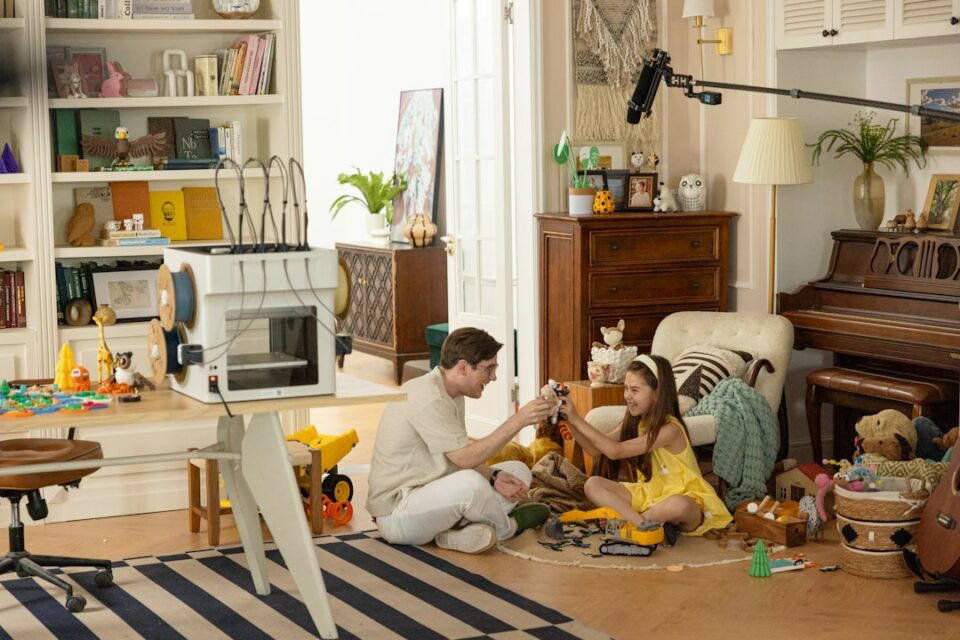
Positive Parenting Strategies give families a practical, kind, and consistent way to guide children at home. If you have ever wondered how to balance firm boundaries with empathy, encourage responsibility without nagging, or handle conflict without raised voices, you are in the right place. This guide translates big ideas into everyday steps you can use in any household rhythm, whether you are juggling busy workdays, after-school practices, grandparents’ visits, or a quiet weekend at home.
Before we jump in, a quick note about the spirit behind this approach. Positive parenting focuses on connection, clear expectations, and follow-through. Instead of relying on fear, shaming, or bribes, it leans on respect, predictable routines, and collaborative problem-solving. It is not a magic switch. It is a set of habits that compound: small changes, repeated calmly, shape a home where kids feel safe to learn, try, and contribute.
Because home is the stage where family life happens, your space can help. Calming corners, visible schedules, and baskets for quick resets all support the behaviors you want. If you need inspiration on making family spaces work harder for you, explore ideas on GHomeDecor. A few small changes in layout and storage often make new routines far easier to keep.
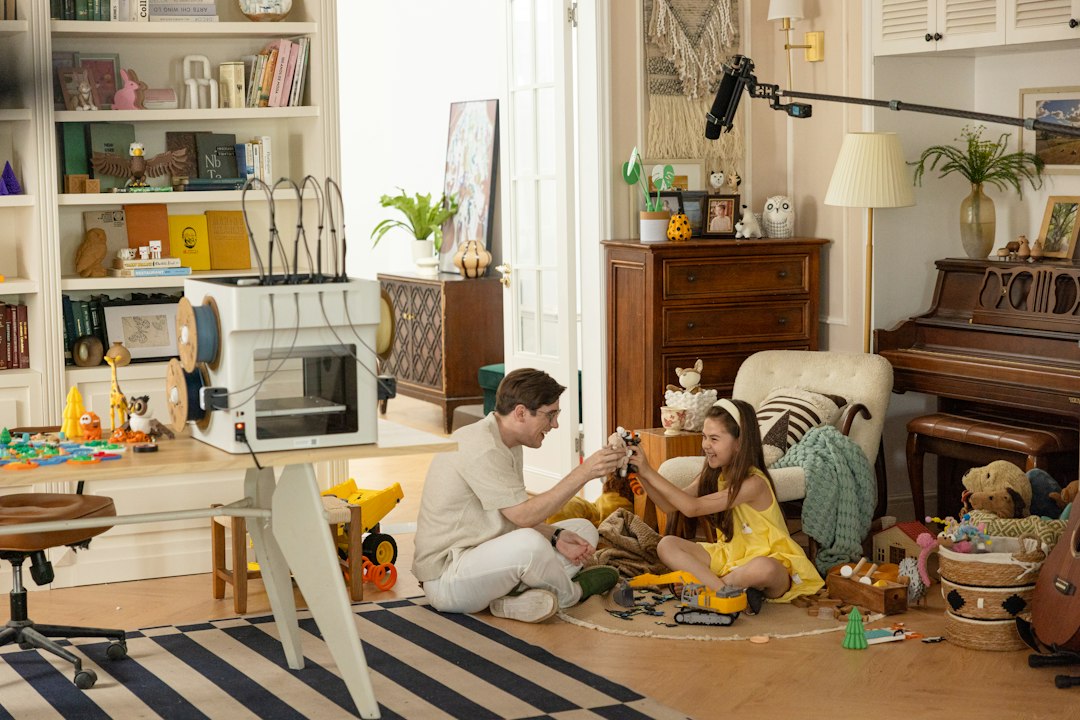
Positive Parenting Strategies: What It Really Means at Home
At its core, positive parenting is the art of being both warm and firm. Warmth creates trust; firmness provides structure. Think of it as a steady lighthouse: bright enough to guide, stable enough to reassure. Children sense that adults are in charge of the environment while also being on their side as coaches and teammates.
Key principles include connection before correction, clarity over complexity, and consistency over intensity. In practice, that looks like this: you get close, name the feeling, restate the limit, and move toward the next right step. You do it again tomorrow. And the next day. Over time, kids learn that emotions are welcome, limits are steady, and they can rely on you to mean what you say without hostility.
What positive parenting is not: permissiveness. Boundaries still exist. Expectations still stand. The difference is in the how. Instead of power struggles, you use choices within limits. Instead of scolding, you use specific guidance and natural consequences. Instead of dramatic punishments, you focus on teaching and rehearsing the skills needed for the situation.
- Warmth: eye contact, gentle tone, a hand on the shoulder, presence.
- Firmness: clear rules, defined routines, follow-through without lengthy lectures.
- Repair: when things go sideways, circle back, take accountability, and restart.
When you combine those elements with realistic expectations (for example, a toddler is still learning impulse control), you get a home culture where children can grow skills step by step.
Build Routines That Stick (Morning, After-School, Bedtime)
Routines are the quiet engines of a calm home. They do not have to be elaborate. They just have to be visible and repeatable. Children thrive when they can predict what happens next, and adults thrive when mornings, transitions, and bedtimes do not depend on last-minute negotiations.
Start with one high-impact routine and refine it for two weeks before adding another. For most families, mornings or bedtime are the best places to begin.
Morning routine template:
- Wake up and connect: one minute of eye contact and a quick cuddle or shoulder squeeze.
- Bathroom and get dressed: outfit chosen the night before.
- Breakfast: two simple options to reduce decision fatigue.
- Jobs: put dishes by the sink, backpack check, shoes by the door.
- Out-the-door rhythm: five-minute timer, quick high-five, and go.
Bedtime routine template:
- Reset: five-minute tidy with a small basket per child.
- Wash: bath or quick wash, teeth, pajamas.
- Wind down: one book per child, dim lights, soft voices, consistent time target.
- Goodnight script: the same phrase every night signals closure and safety.
After-school routine template:
- Arrival ritual: snack and decompress, then a quick check-in about the day.
- Homework and reading block: short, timed segments with breaks.
- Chore or responsibility: a small, age-appropriate task that contributes to the household.
- Free play: open-ended time before dinner to move, imagine, or build.
Make routines visible: post a simple list or picture schedule. Keep tools nearby: toothbrushes in reachable cups, hooks at kid height, bins labeled with words or pictures. Routines work best when the physical space nudges the behavior you want.
Communication Tools That De-Escalate Conflict
When emotions run high, words matter. The goal is to regulate yourself first and then guide your child toward calm action. These tools reduce friction and help children cooperate without feeling shamed or cornered.
- Get close and go low: crouch to eye level and speak softly. Posture alone can lower tension.
- Name and aim: “You’re frustrated; your tower fell. We can rebuild, or we can take a break.”
- State the limit, say what to do: “Hands are for helping. Try tapping my shoulder to get my attention.”
- Offer two workable choices: “Red pajamas or blue?” “Start homework now or in five minutes?”
- Use when/then language: “When your backpack is hung, then it’s snack time.”
- Reflect and redirect: “You wish you could keep playing. We will save the game and continue after dinner.”
Set a pattern in your own speech: short sentences, calm tone, specific instructions. Avoid long lectures and questions that sound like traps. Praise effort and strategy, not only outcomes: “You kept trying different pieces until it fit. That’s the kind of persistence that helps on hard puzzles.”
A helpful test: if you said the same words to a stressed coworker, would they feel respected and informed? If the answer is yes, you are on the right track.
Boundaries and Natural Consequences Without Harshness
Boundaries make family life predictable and fair. Natural consequences help children connect actions with outcomes in a safe way. The key is to keep consequences related, reasonable, and respectful.
Related means the follow-up connects to the behavior. If a child throws blocks after a reminder, the blocks rest on a high shelf for the morning. Reasonable means the length or size fits the situation. Respectful means your tone remains calm and you check back in later to help the child return to the activity or make a repair.
Examples of natural or logical consequences:
- Forgot the lunchbox: help brainstorm what to pack quickly and build a checklist for next time.
- Slammed a door: the door is opened carefully together three times, practicing the new skill.
- Left a mess after art: no new supplies until the workspace is reset.
- Interrupted repeatedly: practice tapping a shoulder and waiting for a turn to speak.
What to avoid: punishments that humiliate or isolate. The goal is to teach skills and restore trust, not to escalate the struggle. If a situation is too hot, take a pause. Revisit the limit later with a plan to rehearse the replacement behavior.
Emotion Coaching: Naming Feelings and Moving Forward
Emotion coaching is simple and powerful: notice the feeling, name it, and guide the next step. Children learn that emotions are signals, not commands. They can feel angry and still keep hands gentle. They can feel sad and still ask for help. They can feel excited and still listen for safety instructions.
Emotion coaching steps:
- Notice and connect: “I see your shoulders are tight.”
- Name what you see: “Looks like you’re disappointed about the canceled playdate.”
- Normalize: “Anyone would feel that way.”
- Guide: “Let’s make a list of backup activities and choose one.”
Over time, children start to use the same language on their own. You might hear, “I’m feeling wiggly; I need to jump outside” or “I’m frustrated; can we try the math another way?” That is the signal your home is teaching emotional literacy alongside daily life skills.
Create a Home Learning Zone (Without Turning Your House Into a Classroom)
Learning happens all over the house, not only at a desk. The goal is to reduce friction and make it easy for kids to start, stick with, and finish a task. A “learning zone” can be a small cart with supplies, a table near natural light, and a basket for current projects.
Practical setup tips:
- One location per child for active work: a tray or bin labeled with name and current task.
- Essential tools only: pencils, eraser, sharpener, timer, sticky notes. Extras live elsewhere.
- Noise plan: soft instrumental music, white noise, or ear defenders for focus.
- Timing plan: short blocks with brief movement breaks—try 10–15 minutes of focus, 2–3 minutes of motion.
- Reading rituals: a comfy chair, a small lamp, and a habit of reading together for 10 minutes daily.
Keep expectations clear: you are not building a miniature school. You are designing a friction-free environment for practice and curiosity. Rotate materials weekly so the space feels fresh and purposeful.
Screen Time and Tech Habits That Respect Family Values
Devices are part of modern life. The aim is not to banish them but to set clear habits that support sleep, learning, and relationships. Align tech rules with your family’s values and routines so they are easier to follow and easier to explain.
Build a family media plan:
- Zones: where devices live (charging station in the kitchen), where they do not (bedrooms).
- Times: device-free windows, such as meals, the first hour after school, and the hour before bed.
- Choices: a short list of approved shows, games, or apps that fit your standards.
- Checks: use timers; talk about what they watched or played and what they noticed.
When kids push back, return to the plan you created together. Remind them that the rules protect the good stuff they care about: energy for sports, focus for games and art, time for friends, and family connection. If a rule keeps failing, adjust it as a team rather than arguing in the moment.
Reduce Sibling Rivalry and Build Cooperation
Some conflict between siblings is part of learning social skills. Your role is to keep things safe, teach fair play, and help them practice teamwork. Avoid labels like “the calm one” or “the wild one.” Labels tend to stick, and children may act toward the label rather than the skill you want.
Practical tactics:
- Special time: 10 minutes of one-on-one attention per child, device-free, following their lead.
- Noticing cooperation: “I saw you share the blue marker. That helped the art table stay calm.”
- Team jobs: assign a shared task (setting the table together, sorting laundry) with a small success moment at the end, like ringing a bell or doing a high-five.
- Reset words: agree on a phrase like “fresh start” to restart a game after a disagreement.
When conflict happens, separate, validate feelings, and restate the rules: “You’re both upset. We keep hands gentle. Let’s take a breath and try again with the block timer.” Later, invite them to replay what happened with stuffed animals or action figures. Rehearsal is a form of learning.
Household Responsibilities: Chores That Teach Contribution
Responsibility grows through contribution. Children feel valued when they do real work that matters at home. The trick is to make jobs clear, doable, and part of the everyday rhythm so they require fewer reminders over time.
Age-appropriate ideas:
- Preschool: carry napkins, wipe small spills, sort socks, water plants with a tiny cup.
- Early elementary: set the table, feed pets, put laundry in drawers, tidy a play zone.
- Upper elementary: sweep small areas, load the dishwasher, help cook simple meals, take out recycling.
Use job cards or a simple chart, not as a scoreboard but as a checklist. Tie jobs to routine anchors: after snack, before screens, before bed. Consider a small allowance for older kids, not as payment for being part of the family, but as practice for budgeting. Keep praise specific and anchored to identity: “You are becoming a person who notices what needs doing.”
Partner Alignment: Presenting a United, Flexible Front
Adults set the tone. If you share parenting with a partner or co-parent, alignment matters. You do not need identical styles, but you do need shared principles and predictable follow-through. Children feel safer when they know the adults agree on essentials.
Make time for short check-ins:
- Top three: which three rules matter most this month? (For example: bedtime lights out, gentle hands, homework before screens.)
- Playbook phrases: agree on two or three scripts so you both say limits the same way.
- Division of labor: who is on point for mornings, dinner, bedtime, sports runs, calendar?
- Repair rituals: when a moment goes off the rails, how will you reconnect, both with each other and with the kids?
Alignment does not mean rigidity. Life changes. Have a monthly reset to update routines, responsibilities, and tech limits, and check in on what is working well.
Self-Care Without Guilt: Modeling What You Want Kids to Learn
You are the climate system of your home. When you are rested and resourced, kids feel it. Self-care is not a luxury; it is responsible leadership. The message you send by caring for yourself is powerful: adults have needs, and we meet them with healthy habits.
Small, repeatable practices beat big plans you cannot keep. Try these micro-habits:
- Personal pause: two minutes of stillness before you open a bedroom door in the morning.
- Breathing cue: inhale for four, exhale for six while washing hands or waiting for the kettle.
- Tiny tidy: one drawer or one shelf per day—order outside supports calm inside.
- Move the body: a 10-minute walk or stretch while kids read or draw.
- Ask for help: trade a Saturday hour with a neighbor or friend for mutual recharge.
When you model honest limits and restoration, you show kids how grown-ups manage stress and needs. That lesson lasts.
Common Traps and Better Alternatives
Even committed parents can fall into patterns that work against connection and consistency. Spotting them early saves energy.
- Trap: repeating instructions from across the room. Alternative: move close, get eye level, and use a short cue.
- Trap: piling on consequences. Alternative: choose one related follow-up and help rehearse the right skill.
- Trap: rescuing from every frustration. Alternative: empathize, then support problem-solving steps.
- Trap: arguing mid-meltdown. Alternative: reflect the feeling, keep the limit, and revisit later when calm.
- Trap: over-scheduling. Alternative: leave white space in the week for rest and play.
Notice that each alternative protects both dignity and structure. Over time, those two together build genuine cooperation.
A Weekly Family Meeting That Actually Works
Five to fifteen minutes, once a week, is enough to keep your home running with fewer surprises. Keep it simple and upbeat. The point is to coordinate, appreciate, and adjust—not to troubleshoot every grievance.
Agenda template:
- Gratitudes: each person shares one thing they appreciated this week.
- Calendar check: special events, early dismissals, sports, project deadlines.
- House jobs: confirm who does what and when; adjust if schedules shifted.
- Fun plan: one small family treat or outing for the week.
- Open mic: brief time for kids to ask for supplies, propose ideas, or bring up a friction point.
End with a cheer, a group handshake, or a silly family motto. Rituals make logistics feel like team sport. Post a photo of the whiteboard so everyone can refer to it midweek.
The 30-Day Action Plan
You do not need to change everything at once. Try this one-month roadmap to make Positive Parenting Strategies visible and sustainable. Each week builds on the last, with short daily moves that require minutes, not hours.
Week 1: Calm Start and Close
- Choose your morning routine anchors and put the list on the fridge.
- Set a consistent bedtime window and rehearse the goodnight script.
- Declutter one surface kids use daily (table, shoe zone, bathroom counter).
- Practice one de-escalation phrase: “I’m here to help. Let’s do the next step.”
Week 2: Communication and Boundaries
- Introduce two-choice options for common sticking points (clothes, homework, toys).
- Write three limits that matter most and agree on a related follow-up for each.
- Post a simple tech plan: no devices at dinner, all devices charge in the kitchen at night.
- Begin “special time”: 10 minutes of one-on-one attention per child, twice this week.
Week 3: Responsibility and Learning
- Assign one daily job per child and one weekly job. Make it visible.
- Set up the learning zone: a small bin, a timer, and a reading nook.
- Try focus blocks after school: 15 minutes work, 3 minutes movement, repeat twice.
- Hold your first family meeting using the simple agenda.
Week 4: Review and Refresh
- Ask what is working and what feels hard. Adjust one routine.
- Teach one conflict reset skill (how to ask for a turn, how to pause a game).
- Plan a tiny celebration: picnic on the floor, popcorn and a movie, or a board game night.
- Capture two success stories and post them on the wall. Notice growth out loud.
By the end of 30 days, you will have a calmer morning, a steadier bedtime, clearer limits, and a practical rhythm for jobs, learning, and tech. Keep going by reviewing the plan monthly and choosing one new focus to refine.
Frequently Asked Questions From Busy Families
What if my child ignores consequences? Check the link between behavior and follow-up: is it related, reasonable, and respectful? Then check the routine around the behavior. Many struggles fade when the surrounding routine is simpler and more predictable.
What if I lose my cool? Repair is part of positive parenting. Own it: “I spoke harshly. I wish I had paused. I’m going to try again with a calm voice.” A short, sincere repair teaches accountability better than any lecture.
What if caregivers disagree? Start with common ground: safety, sleep, school readiness, kindness. Pick three shared limits and one shared script. Meet weekly for 10 minutes to review.
What about rewards? Notice and name the process, not just the prize: “You broke the job into steps and stuck with it.” Occasional celebrations are fine, but you want internal motivation to grow alongside external recognition.
Putting It All Together
Positive parenting is built in small moments: a gentle reminder, a consistent bedtime, a five-minute tidy, a calm limit, a quick repair. Step by step, those moments create a family culture that is warm, structured, and confident. Your home becomes a place where children learn language for feelings, habits for work and rest, and respect for themselves and others.
If you take only three actions this week, let them be these: make one routine visible, practice one de-escalation script, and pick one small job each child can own. Return to these moves again and again. They are simple to remember on tired days and strong enough to anchor your family through busy seasons. That is the quiet power of Positive Parenting Strategies in everyday life.