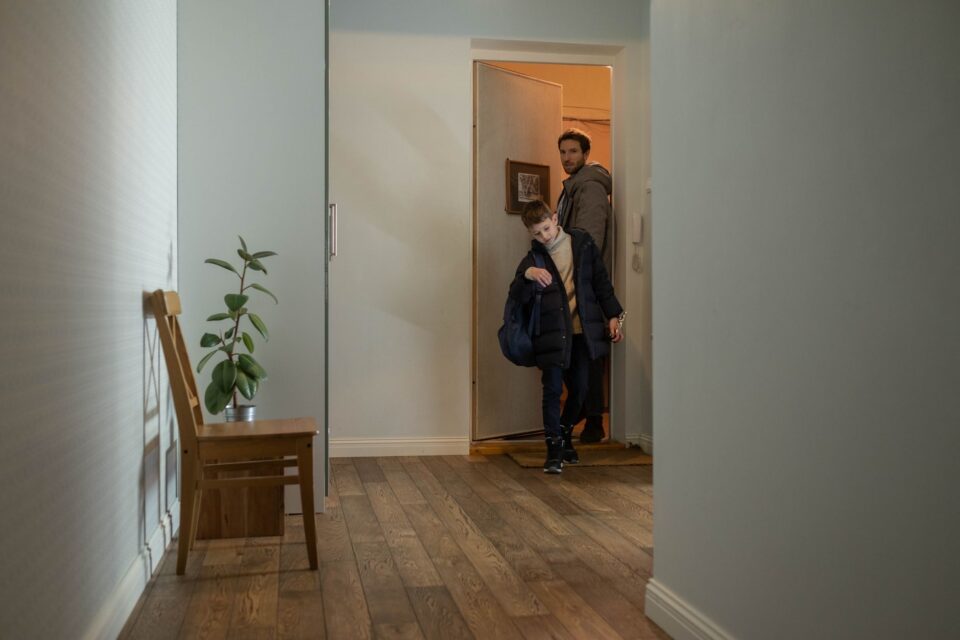
Families don’t need perfection to thrive, but they do need positive parenting routines. These are simple, repeatable habits that help a household feel predictable, respectful, and connected—without anyone feeling micromanaged. You don’t have to overhaul your entire life to see momentum. Start with one small routine, make it visible, and let the win stack on itself.
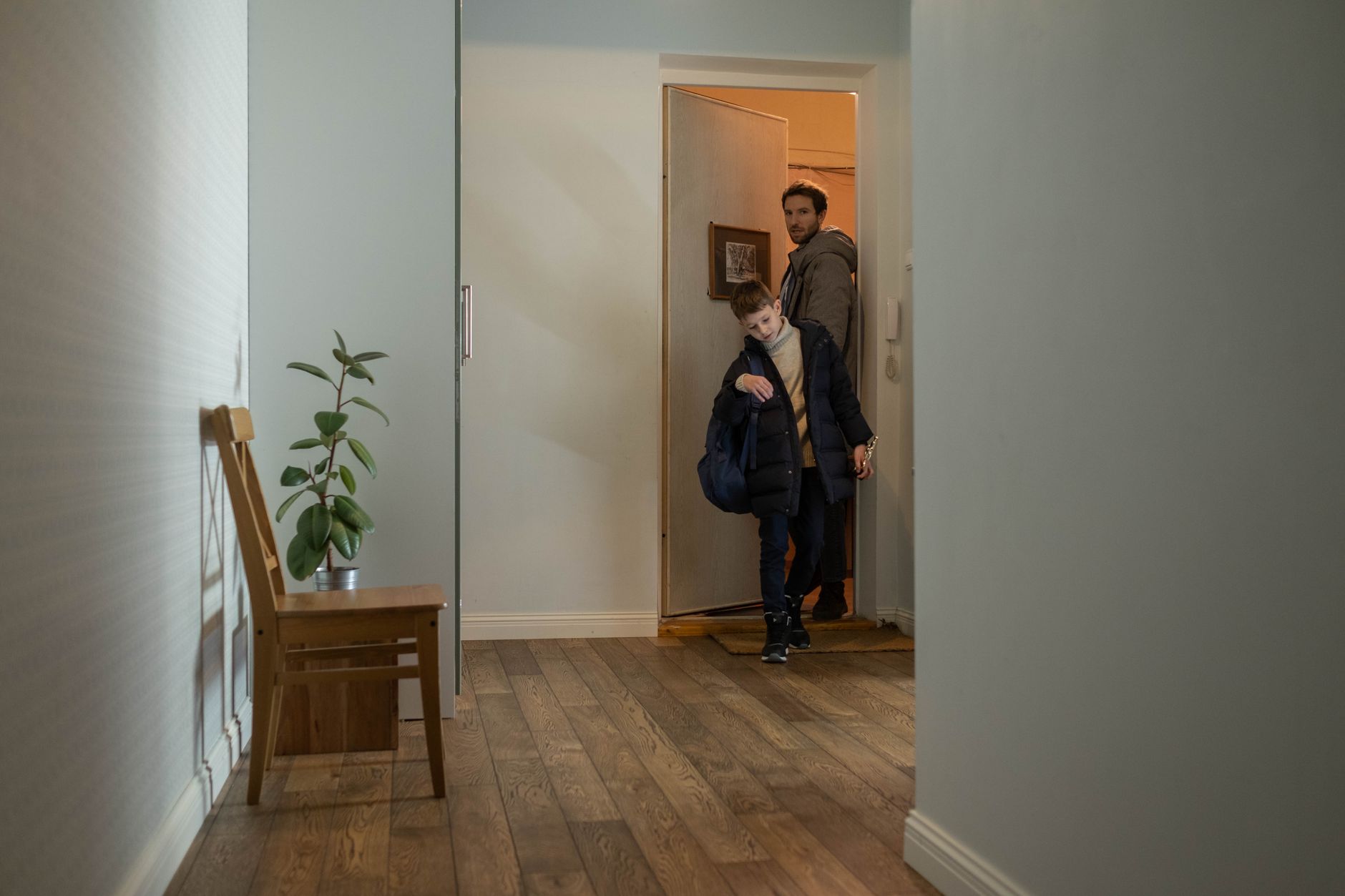
What positive parenting routines look like at home
Routines are the backbone of family life because they lower decision fatigue. When everyone knows what happens next, your home frees up energy for learning, play, and genuine connection. Built on a positive approach—clear expectations, age-appropriate choices, warm tone, and consistent follow-through—routines help kids grow skills and confidence while adults feel less reactive.
Think of any routine as three parts: a trigger that starts it, a simple sequence of actions, and a closing signal. The trigger might be a kitchen timer, a song, a light change, or a short phrase. The actions should be short, visible, and doable. The closing signal marks completion and often includes a brief shared moment, like a high-five or calm phrase. This structure supports everyone’s nervous system, especially during transitions.
Design routines for success rather than control. That means reducing friction, providing visual cues, and modeling the behavior you want to see. Picture the difference between “Brush your teeth now!” shouted from the hallway and a calm pattern where the toothbrush, paste, and cup are ready, a checklist is at eye level, and a two-minute sand timer makes time visible. The second approach invites cooperation rather than conflict, and it does so reliably.
Use these five principles to audit any daily block:
- Predictability: Do kids know what happens next without asking?
- Visibility: Is the routine posted in words or pictures at their height?
- Feasibility: Can your child do at least 80% independently at their age?
- Warm tone: Are directions brief, neutral, and consistent across caregivers?
- Closure: Is there a reliable end signal that feels good to everyone?
When routines work, you experience fewer power struggles, faster transitions, and more moments where you see your child’s capability grow. When they wobble, it’s usually a signal to simplify, not to push harder.
Design principles and starter templates
Families succeed with routines when they design the environment before they ask for behavior. Make the desired action easier than the alternative, and let the space do some of the talking so you don’t have to repeat yourself all day.
Practical design moves that help almost every routine:
- Reduce choices by pre-bundling. A “school-start kit” near the door with shoes, jacket, backpack, and a small umbrella reduces last-minute hunts.
- Make it visual. Post a picture checklist for toddlers, a simple word list for early readers, and a short “top three” for teens.
- Set surface rules. Clear counters, clear minds. Leave only what’s needed for the next step in the routine.
- Use time anchors, not exact minutes. “After breakfast” and “before story” are easier for kids to hold than clock times.
- Close with connection. A two-line rhyme, a handshake, or a shared breath signals “we’re done” and reduces the urge to re-open negotiations.
Starter templates you can copy today:
- Two-beat tidy: “Two songs tidy” playlist + 4-minute timer + one bin labeled “all done.”
- Launch pad: One hook per person + one shoe bin + “pocket tray” for keys/passes.
- Homework caddy: Pencils, eraser, sharpener, highlighter, sticky notes, calculator, and an index card for the task list.
Small home upgrades reinforce patterns and save your voice. If your entryway is a tangle, consider tiny storage shifts and a visual landing zone; for inspiration, browse home organization ideas that turn clutter into flow.
Morning rhythm: from wake-up to out-the-door
Mornings set the tone for the day, so aim for calm and steady, not rushed and perfect. Start by mapping the time you truly need and then buffer by ten minutes for realistic transitions. Most morning chaos is not about discipline; it’s about underestimating the time it takes to switch tasks.
Design a morning that moves from low-demand to higher-demand tasks. Early steps should be almost automatic (bathroom, drink water, quick stretch), while choices (what to wear, what to pack) are prepared the night before. Keep decisions small and visible:
- Clothes: Offer two outfit choices stored together on a low hook or in a labeled drawer.
- Breakfast: Pre-plan a weekly rotation (oatmeal Monday, eggs Tuesday, yogurt bowls Wednesday). Post it on the fridge at kid height.
- Packing: Use a visual backpack checklist for younger kids and a short word list for older kids.
Structure the sequence in four beats and make each beat visible:
- Wake and refresh: bathroom, wash face, get dressed. Trigger with gentle music or a bedside alarm your child manages.
- Fuel and connect: simple breakfast, five-minute check-in question (“What’s one thing you’re looking forward to?”).
- Gather and gear: pack bag using the checklist; put shoes and jacket on from a launch pad by the door.
- Exit ritual: a quick goodbye phrase or handshake; out the door on time without lectures.
Troubleshooting common morning snags:
- Slow starter? Shift wake-up ten minutes earlier, keep lights low, and offer a warm drink before conversation.
- Forgetful packer? Practice the checklist at night when stress is lower; in the morning, point to the list and let them take the lead.
- Sibling clashes? Stagger wake times by five minutes or give each child a micro-station to get ready.
- Shoes missing again? One bin per person near the exit, plus a nightly “shoes home” minute during evening tidy.
After-school decompression and homework without battles
School asks a lot of self-control. Expect kids to come home with a stretched “willpower muscle.” The most productive after-school routine starts with decompression, then a predictable homework block, then movement and play. The order matters, and the environment often does more heavy lifting than human willpower.
Set a doorway ritual that signals the shift from public mode to home mode—shoes off, backpack to hook, lunchbox to sink, hands washed. Then schedule 10–20 minutes of off-duty time before any demands. Offer two quiet choices (“snack and sketch” or “snack and backyard”). If your child needs to talk, use a simple prompt like “High, low, and funny from today?” and listen more than you speak.
For homework, choose a consistent place with minimal visual noise. Create a clear tray or caddy with supplies right there. Time-box the work using a visible timer (e.g., 20 minutes on, 5 minutes off). Agree on the order of tasks before the timer starts. Your role is coach, not cop: set up, check in, and step back.
Homework setup checklist:
- Location: consistent desk or table with a chair that fits your child’s body.
- Tools: pencils, sharpener, eraser, highlighter, sticky notes, spare paper, calculator as needed.
- Plan: list tasks on a mini whiteboard; estimate minutes; star the tricky item to tackle first or second.
- Timers: one for focus (work block) and one for breaks; breaks are movement or water, not devices.
- Finish ritual: pack completed work back into the folder and bag; quick glance at tomorrow’s needs.
If resistance shows up, scale down the challenge: shorten the first focus block, remove distractions, or sit side-by-side at the start. Praise process (“You stuck with the hard part for 12 minutes”) rather than results. When a child is overloaded, empathy plus structure beats pep talks: “Looks tough. Let’s do two minutes together, then try the timer.”
Screens and tech: family media plan that sticks
Devices are part of modern family life, so clarity helps everyone. A family media plan lowers friction because the decisions are already made. Involve kids in drafting the plan so they can suggest options and understand the “why.” Then post it and refer to it calmly.
Decide on boundaries by day and place:
- Tech-free zones: dinner table, bedrooms on school nights, bathroom.
- Tech-free times: first 30–60 minutes after school, during homework focus blocks, one hour before bedtime.
- Play windows: designated windows for games or shows; content and ratings agreed in advance.
Make the plan visible in plain language, and anchor it to existing routines. For example, device time comes after the homework finish ritual and before outdoor play, or only on weekends after chores. Keep alternatives nearby: a “screen alternatives” bin with puzzles, building sets, drawing supplies, library books, and sports gear. The goal isn’t to win a willpower contest; it’s to make the better choice easier.
Supportive tools include device baskets in the common area, a charging station outside bedrooms, and app limits set once a week rather than negotiated daily. When kids push for “just five more minutes,” reply with the plan instead of a new argument: “We follow the plan.” If big feelings surface, pause the debate and revisit it in your next family meeting when everyone is calmer.
Meals that teach skills: planning, cooking, and table talk
Meals are where routines turn into life skills: planning, cooperation, patience, conversation. Keep the bar reasonable—simple meals most nights, with kids involved in age-appropriate ways. Start by choosing a weekly rhythm (Meatless Monday, Taco Tuesday) and posting it on the fridge. Invite each child to pick one dinner a week and help with one part of it.
Set up the kitchen for kid participation: low drawers with safe tools, a step stool, and a wipeable prep mat. Give concrete jobs, not vague “help”: wash the cherry tomatoes, tear lettuce, measure one cup of rice, stir for two minutes while the timer runs. Use visual recipes or picture cards for younger kids and a one-page recipe format for tweens and teens so they can follow along without chaos.
At the table, small rituals keep things warm and grounded:
- Start signal: light a candle or ring a soft chime; everyone sits and breathes once together.
- Serving: pass bowls clockwise; kids serve themselves small portions and may ask for more.
- Conversation: one “rose, thorn, bud” round (good, hard, next you’re excited about) or a curious prompt from a jar.
- Closing: one-minute tidy and wipe; each person takes their plate to the sink or dishwasher.
For picky phases, separate exposure from pressure: offer one reliable food at each meal and small tastes of new items without commentary. Celebrate participation (“You washed the carrots and set the table—thank you”) so the meal experience stays collaborative, not combative.
Bedtime that actually ends: sleep-friendly rituals
Evenings go better when the wind-down starts sooner than you think. A predictable bedtime routine is less about total quiet and more about a reliable sequence. Aim for the same steps, in the same order, at roughly the same time. Keep lights warm and devices away in the final hour.
Break bedtime into five predictable steps and post them at your child’s level:
- Reset the room: quick toy tidy as a family, two-minute timer, all done goes in a simple bin.
- Bathroom basics: bath or shower if it’s a wash night; brush teeth; bathroom stop.
- Pajamas and nest: choose pajamas; arrange bed; find comfort item.
- Connection: read together, tell a short story, or share a gratitude; keep it consistent in length.
- Lights and lull: a short song or back rub; lights out; parent leaves with a phrase that marks the end (“See you in the morning sun”).
If your child calls you back repeatedly, your script and signals matter. Stay calm and consistent. When non-urgent requests pop up, respond with a brief reminder of the routine: “We already did water and one song. I’ll check on you in five minutes.” Then follow through with a quick, quiet check-in so the promise is reliable and requests don’t escalate into lengthy negotiations.
Make the bedroom support the routine: simple layout, soft light, a fan or white-noise machine if helpful, and a predictable place for books and comfort items. If siblings share a room, stagger the final steps so one child gets connection time while the other settles with headphones and a pre-recorded story. Switch the order the next night.
Chores and contributions: building responsibility by design
Chores aren’t just about clean floors; they build agency, body coordination, and a sense of belonging. The key is matching tasks to ability and making them regular, not occasional. Call them “contributions” to emphasize community. Start small, honor effort, and let tools do the teaching (small broom, child-size rake, labeled baskets).
Use an age-appropriate list as a menu, not a mandate. Examples:
- Preschool: sort laundry by color; water plants; feed pets with a pre-measured cup; wipe table with a sprayer of water; carry mail to the box.
- Early elementary: pair socks; set and clear the table; sweep a small area; make a simple snack; fold towels and washcloths; bring trash to the bin.
- Upper elementary: start the dishwasher; vacuum a room; tidy shared spaces; wash and dry a small laundry load with supervision; plan and cook a simple meal once a week.
- Teens: manage a weekly laundry cycle end-to-end; plan grocery items for one family dinner; mow or shovel; maintain a shared space as “owner.”
Make it routine by tethering contributions to predictable anchors: set the table before dinner, tidy toys before bedtime song, clear dishes right after the last bite, take out recycling after homework. Keep charts minimal and visual; the routine itself is the reward, while recognition is verbal and specific (“You noticed the sink was full and acted. That helps the whole family.”).
If pushback happens, avoid rescuing or lecturing. Briefly restate the expectation, reduce the scope (“Do the cups; I’ll handle the plates”), and provide a time boundary (“Two minutes, go team”). Kids learn that work is part of family life, not a punishment or a power contest.
Weekend resets and family meetings that work
Weekends work best when they include a short reset for the house and relationships. Think of Saturday morning as a “systems check” that takes under an hour: restock snacks, set out school clothes for Monday, check calendars, and do a quick sweep of the entryway and car. Put music on, assign micro-roles, and end with something enjoyable like pancakes or a park trip.
Build in connection without scheduling every minute. A simple family meeting every weekend can be ten minutes and makes a surprisingly big difference:
- What worked in our routines this week?
- Where did we get stuck?
- What’s one small experiment we’ll try next week?
- Who needs help with something?
Keep the tone neutral and curious. Rotate the meeting leader, scriber, and timekeeper so kids experience leadership and logistics. Close with a tiny celebration—silly dance, a thumbs-up round, or letting the kids pick a walk or board game. When kids fill their connection cup on the weekend, weekday routines run smoother because you’re not trying to squeeze closeness into transitions.
When routines break: travel, illness, and big changes
Life brings seasons where routines wobble—travel, holidays, moves, new siblings, illnesses, sleep regressions. The goal isn’t to keep the routine identical, but to preserve the pattern: predictability, visibility, feasibility, warm tone, and closure. Name the change for kids and show the new plan with pictures or a quick demo.
Travel example: Keep the same number of steps but shrink them. Bedtime might be brush, pajamas, two-page story, lights, with a favorite song played from your phone. Bring a small “routine kit”: toothbrush, sandwich bag of bedtime books, a tiny magnetic checklist, and a nightlight. See devices as a tool you plan for, not a panic button; long car rides could include a printed bingo sheet and audiobooks before shows.
Illness example: Compassion first, minimum viable routine second. Keep hydration and rest visible with a bedside caddy. Drop homework conflicts and tighten device windows around sleep. When energy returns, rebuild one step at a time—first the evening tidy, then the bathroom steps, then the reading. Name the rebuild: “We’re bringing our steps back this week.”
Big changes example: If you’ve moved or welcomed a new baby, downgrade expectations for a few weeks and post the simplified routine everywhere. Hold daily micro-meetings (“What was easy? What was tricky? One tweak for tonight?”). As capacity grows, add back steps slowly. Progress beats perfection every time.
Age-by-age adjustments and neurodiversity-friendly ideas
Great routines flex to fit real humans. Kids’ needs differ by age, temperament, and sensory profile. Use these age-by-age ideas as a menu, and adjust with curiosity. The aim is good-enough consistency with a warm backbone.
Toddlers and preschoolers:
- Pictures beat words. Use photos from your phone for morning and bedtime steps.
- Two choices maximum. “Blue pajamas or red pajamas?” keeps momentum.
- Body before brain. Start routines with movement (stretch, shake, stomp) to reset energy.
- Short, fun triggers. A two-line song to start tidy time or hand-washing sets the tone.
Early elementary:
- Co-create the list. Let kids draw icons next to words for each step.
- Timers explain time. Kitchen timers or sand timers make beginnings and ends visible.
- Micro-responsibilities. “You manage the snack station” gives ownership within routines.
- Streak markers. A simple calendar with smiley faces builds pride without complex rewards.
Upper elementary and tweens:
- Shift from “do this now” to “what’s your plan?” Build planning muscle within routines.
- Bounded autonomy. “You can do the three bedtime steps in any order before 8:30.”
- Skill teaching inside calm windows. Practice tying shoes or lunch packing on Sunday, not at 7:55 a.m.
- Externalize memory. Whiteboards and checklists reduce parent reminders and preserve dignity.
Teens:
- Negotiate windows, not moments. Agree on outcomes (“lights out by 10:30”) and let them decide the path.
- Connect stakes to values. “Reliable mornings support the grade you want in jazz band.”
- Invite a weekly audit. Ask, “What part of the routine feels annoying or pointless to you?”
- Respect privacy. Post routine reminders in shared areas, not on the bedroom door.
Neurodiversity-friendly adjustments:
- Reduce sensory load. Dim lights, limit clutter, and use noise-canceling headphones during homework blocks.
- Make time concrete. Visual timers, color-coded schedules, and consistent sound cues help brains shift.
- Allow micro-breaks. Build in movement snacks and fidgets to keep focus sustainable.
- Keep language specific. “Shoes on and water bottle in backpack” works better than “get ready.”
- Offer a safe escape hatch. “You can step to the calm corner for two minutes and then try again.”
Keeping adults aligned and putting it all together
Positive routines are a relationship tool, not a scoreboard. Still, small measures help you see what’s working and keep the grownups aligned. If adults disagree about approach, align on principles rather than scripts: brief, neutral directions; visible steps; empathy plus structure; natural consequences over lectures; calm follow-through.
Quick alignment routine for caregivers:
- Share the “why.” Each adult states one reason the routine matters (“Mornings feel calmer”).
- Pick the top three steps to keep. Too many steps cause fragile routines.
- Agree on the end signal and the exact words you’ll use.
- Choose one natural consequence you both support (e.g., if shoes aren’t on by 7:40, we start the walk to the car and carry shoes).
Track one or two signals for two weeks at a time—no more. For example:
- Transition time: How many minutes from “start” to “done” in the morning?
- Prompts: How many reminders did you need at homework time?
- Energy: How does the household feel at dinner on a 1–5 scale?
- Repair moments: How quickly do you reconnect after a conflict?
Run small experiments when a routine repeatedly fails:
- Define success in one sentence (“Out the door by 7:45 with no yelling”).
- Remove one friction point (lay out clothes; move shoes to a single bin; pre-pack snacks).
- Make time visible (timer, sand timer, playlist with predictable song order).
- Teach a micro-skill (practice opening containers, tying shoes, zipping a coat at a calm time).
- Review after three days; keep what helped; shelve what didn’t.
Remember: a routine isn’t a moral test. It’s a container that protects everyone’s energy so growth has room to happen. Start with one block that will change the most downstream—often morning, homework, or bedtime—and spend a week making it visible, feasible, and warm. Invite your child into the design. Practice when no one is stressed. Keep steps short, use your end signal, and celebrate effort.
As that routine becomes reliable, link another to it. You might add a two-minute room reset before bedtime, then a simple lunch-packing ritual after dinner, then a Sunday backpack check. Win by win, your home can feel less like a series of small emergencies and more like a place where everyone knows how to contribute and relax. That’s the heart of positive parenting routines: not rigid scripts, but gentle rails that keep your family moving forward together.